
- Presentation
- LMA Members
- LMA Means
- NEWS
- Publications
- Contact/Address
Since January 1st 2019, the Laboratoire des Matériaux Avancés (L.M.A.) became a National Research Platform of the Institut de Physique des 2 Infinis de Lyon (IP2I). It is also a Research Support Unit (UAR CNRS n°2034).
It is part of CNRS Institute Nucléaire & Particules ( IN2P3-CNRS (Institut national de physique nucléaire et de physique des particules). It is specialized in the study, production (numerous vacuum deposition chambers) and characterisation (optical and mechanical means) of thin films produced by various vacuum processes (CVD, PVD). These coatings are used mainly for optical applications (low-loss mirrors for gyroscopes or interferometers, anti-reflection, dichroics, etc.).
In particular, the laboratory is involved in the Franco-Italian VIRGO gravitational wave detection programme, a CNRS TGIR (VIRGO mirrors made by LMA) and the American Advanced LIGO programme. LMA produced the 20 large mirrors for the American interferometers (Input Mirror and End Mirrors, 340 mm in diameter and 200 mm thick).
The eight mirrors required for the two Advanced LIGO interferometers were successfully completed and installed in the United States in 2014.
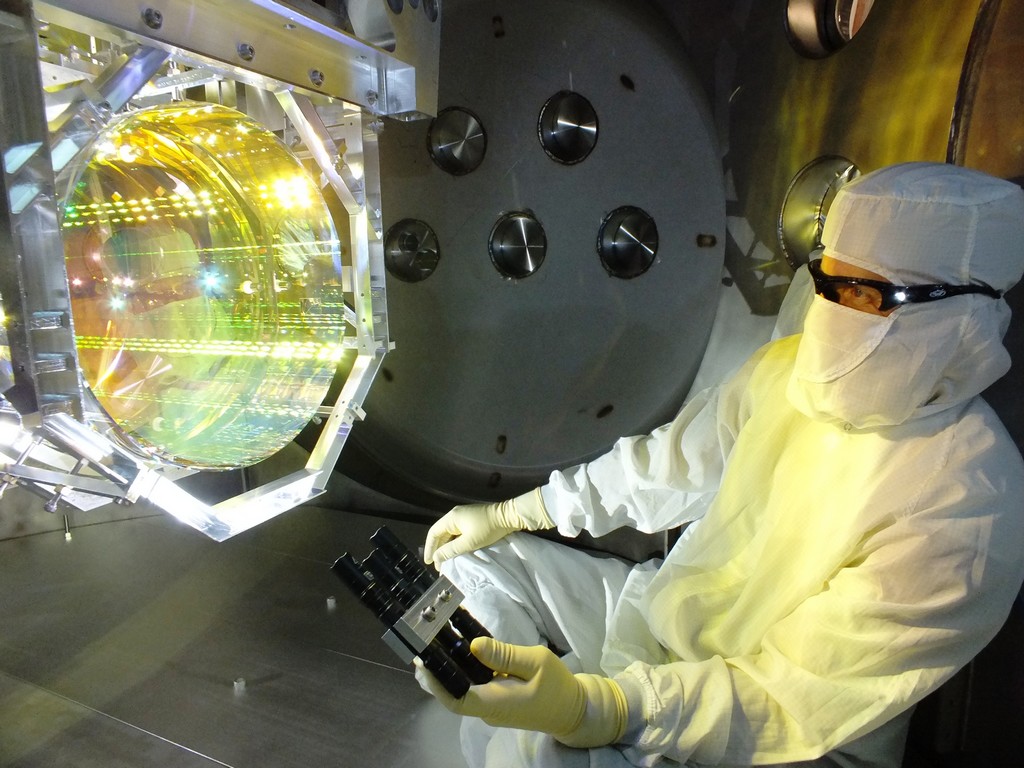
ITM mirror processed at LMA and suspended in the Advanced LIGO interferometer (credit: Advanced LIGO)
In addition, for the Advanced Virgo project, the LMA was responsible for the ‘MIROIRS’ and ‘OSD’ (Optical Simulation and Design) subsystems. The new generation of mirrors was produced at the LMA. All the large mirrors were successfully suspended and installed in the towers at Cascina (photo below).
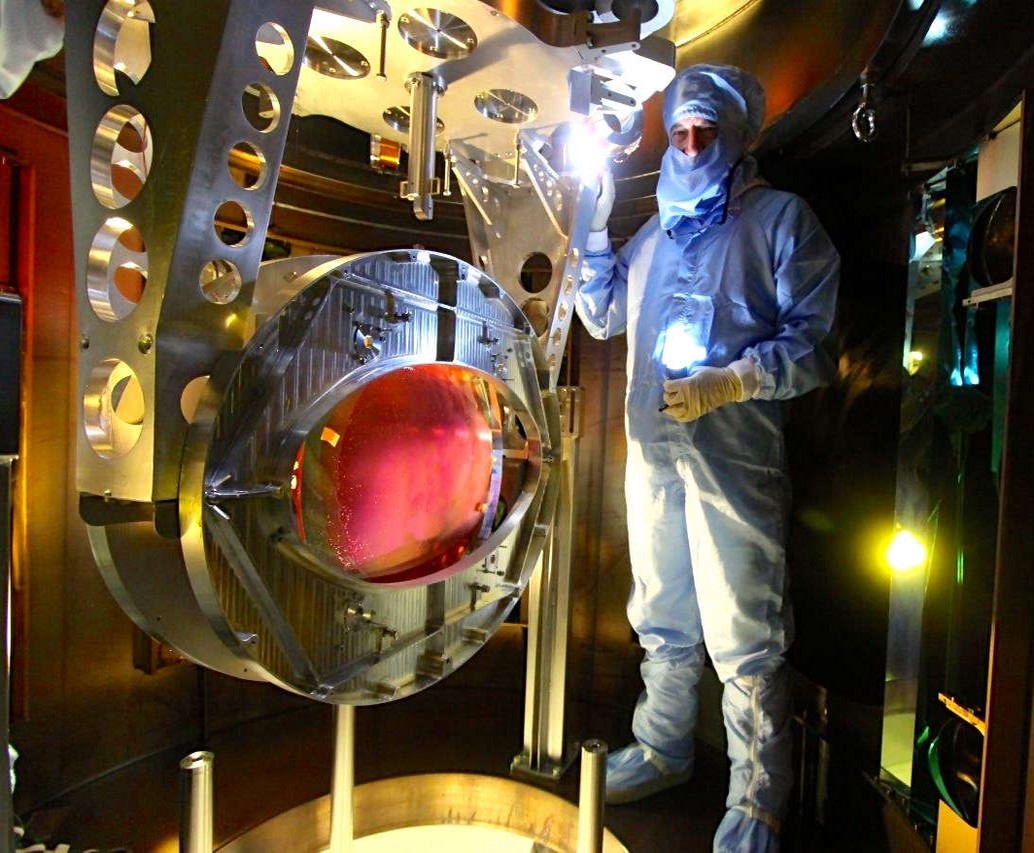
Advanced Virgo Beam Splitter suspended in its tower in the interferometer (credit: M. Perciballi – red colour = protective coating film)
Finally, for the Japanese gravitational wave detector KAGRA, LMA has produced various large optics and in particular the large Sapphire mirrors of the laser cavities (photo below).
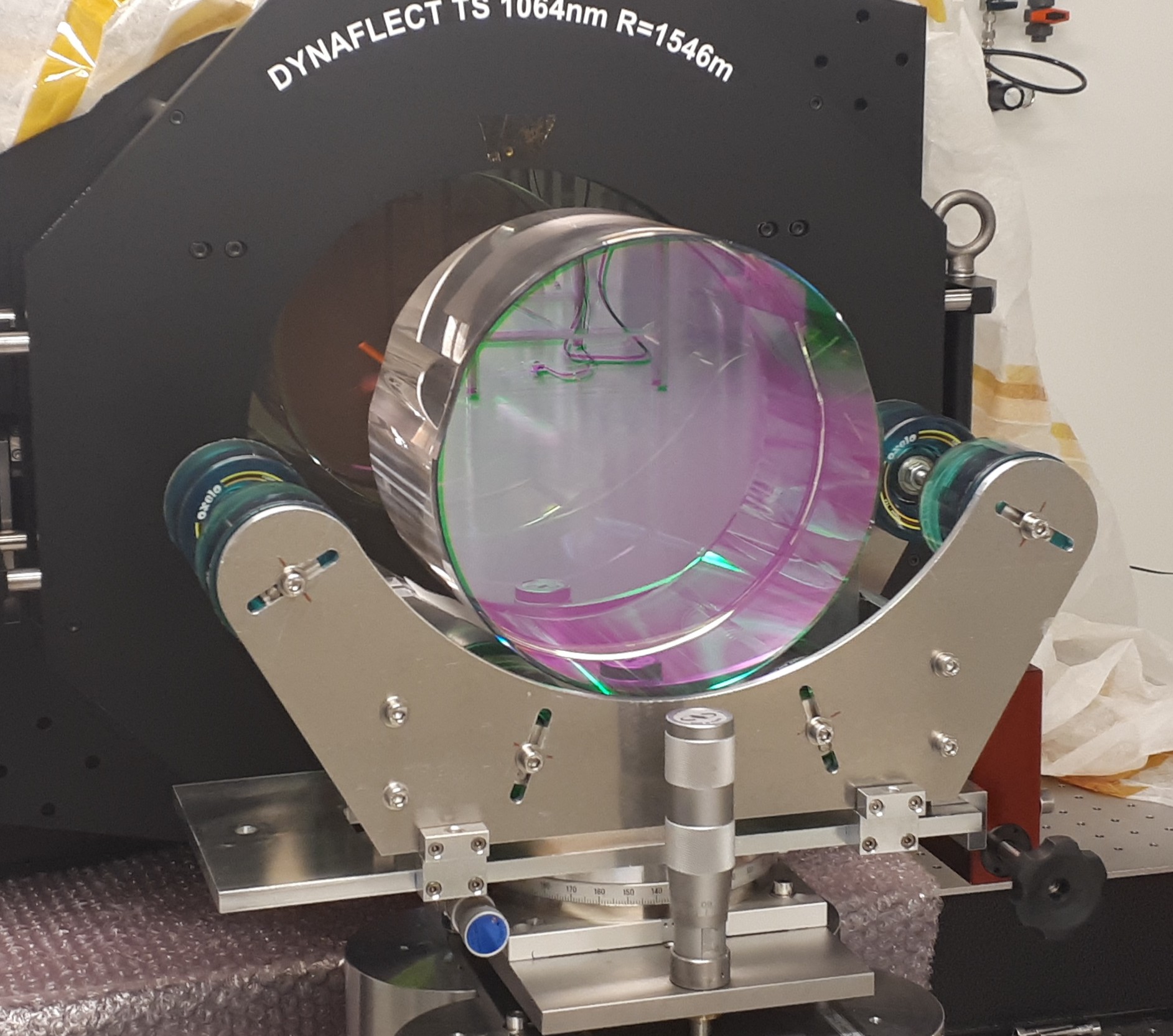
Miroir ETM Kagra (crédit : LMA)
LMA is also involved in the European project ET (Einstein Telescope) .
To diversify its activities, LMA has been involved in several projects to produce large dichroic optics for instruments installed in large ground-based telescopes: 4MOST (VLT – ESO), ESPRESSO (ESO), PFS (Subaru telescope). LMA has also produced the two Fabry-Pérot cavities (the largest in the world) for the VTF instrument on the DKIST solar telescope.
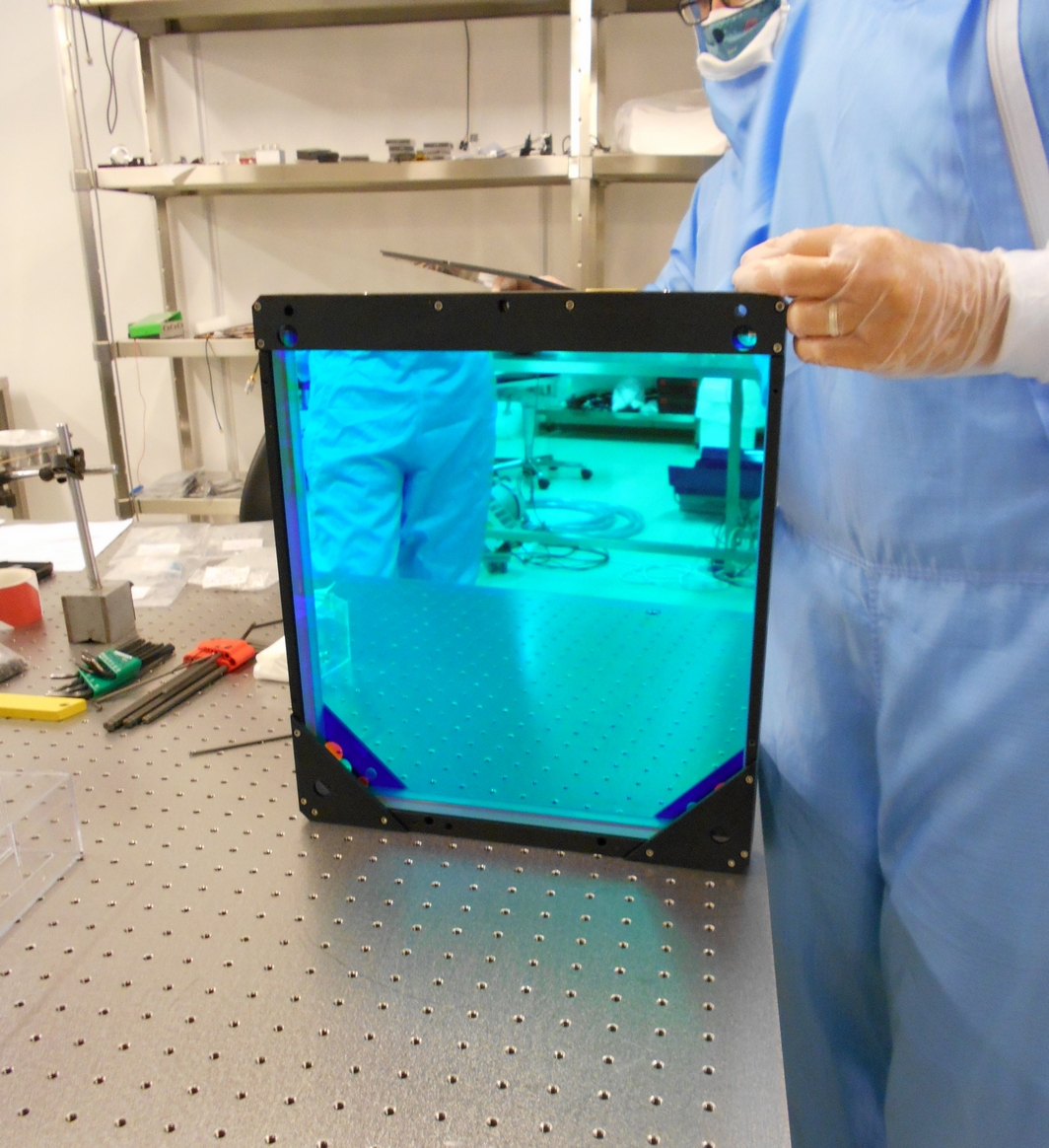
4MOST dichroic optics (credit: LMA)
LMA is a member of the consortium of the MICADO and MORFEO projects, the 2 first light instruments for ESO’s future very large telescope ELT. We are involved in the production of a CaF2 dichroic optic with a diameter of 30 cm (coated in 2025) and a silica optic with a diameter of 90 cm.
LMA also has a strong valorization activity (production of optical components, metrology services) for industry and research laboratories.
NON-PERMANENT MEMBERS:
- DOCTORAL STUDENTS:
- NON-PERMANENT RESEARCHERS:
- OTHER MEMBERS:
LMA organisation chart
Deposition Systems
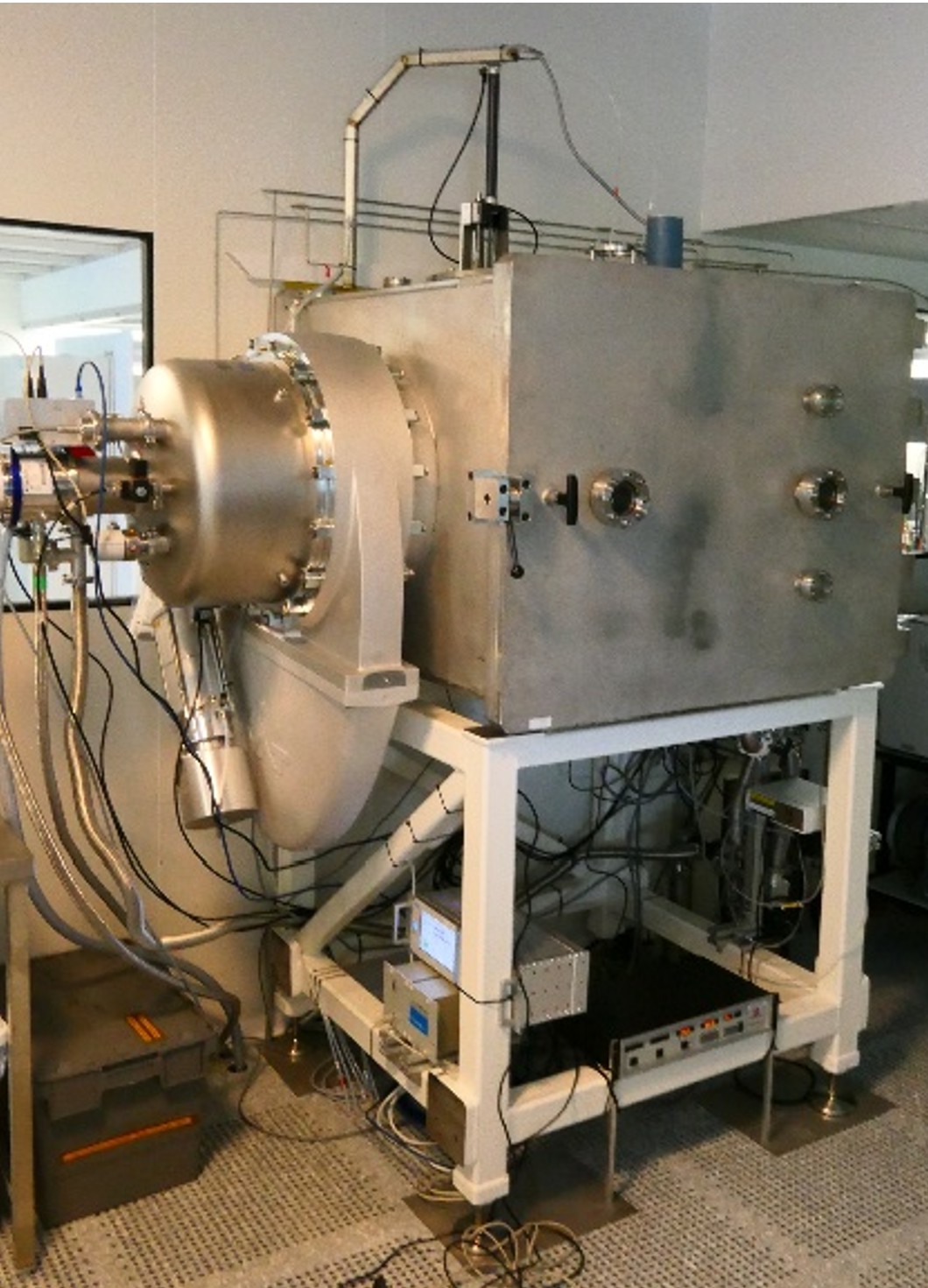
- Ion beam sputtering system installed in an ISO 3 cleanroom (dimension 2,4*2,4*2,2 m) – (c) Cyril Fresillon Photothèque CNRS
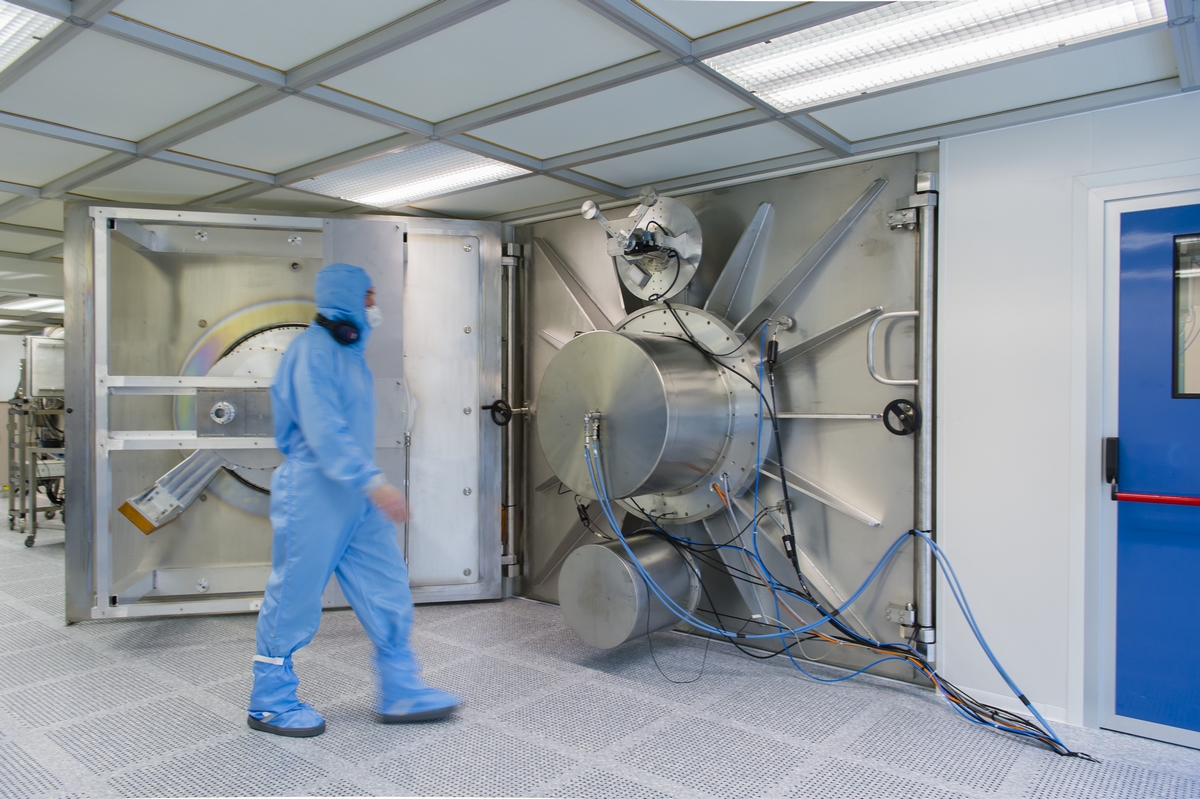
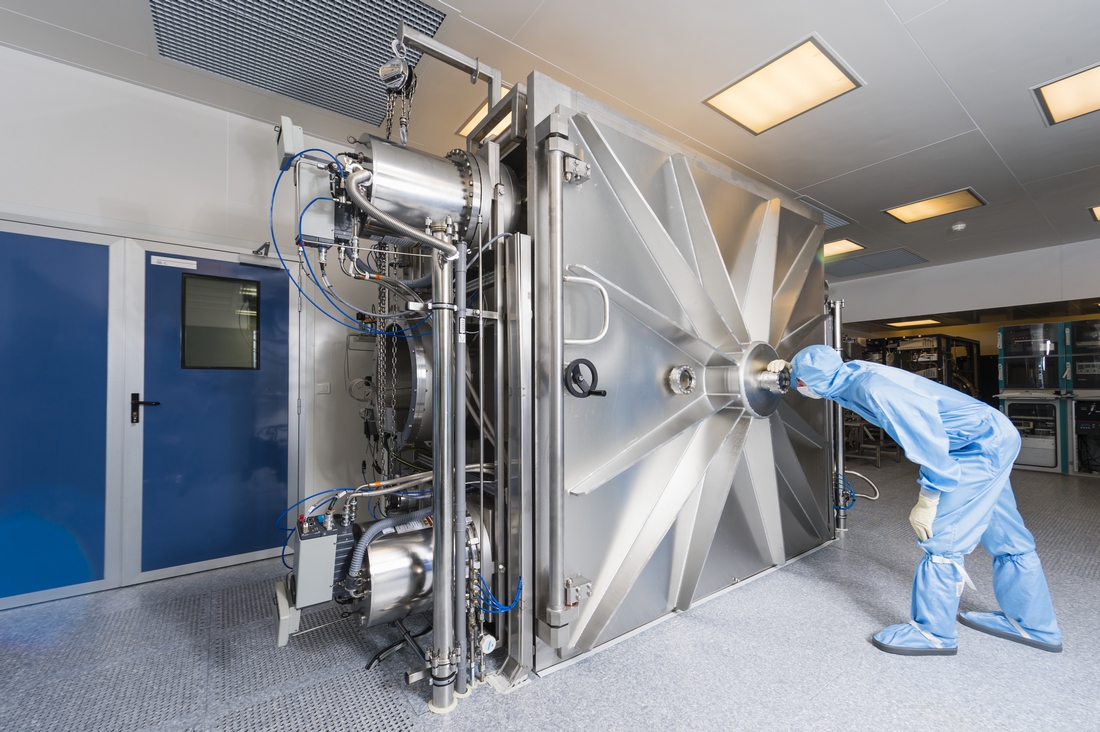
- SPECTOR (VEECO) ion beam sputtering system installed in an ISO 3 cleanroom (dimension diameter 1.1 m, height 0.9 m) – (c)Photo_IN2P3_Patrick_Dumas_Fev2019
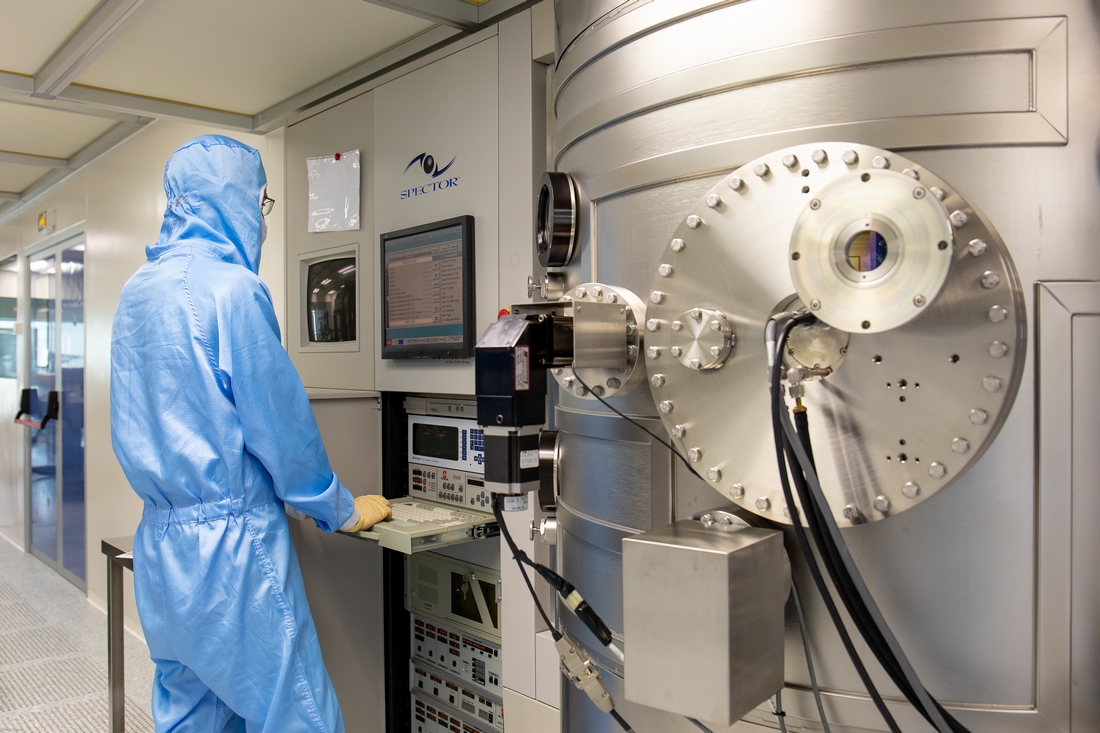
- Ion beam sputtering system installed in an ISO 3 cleanroom (dedicated to R&D)
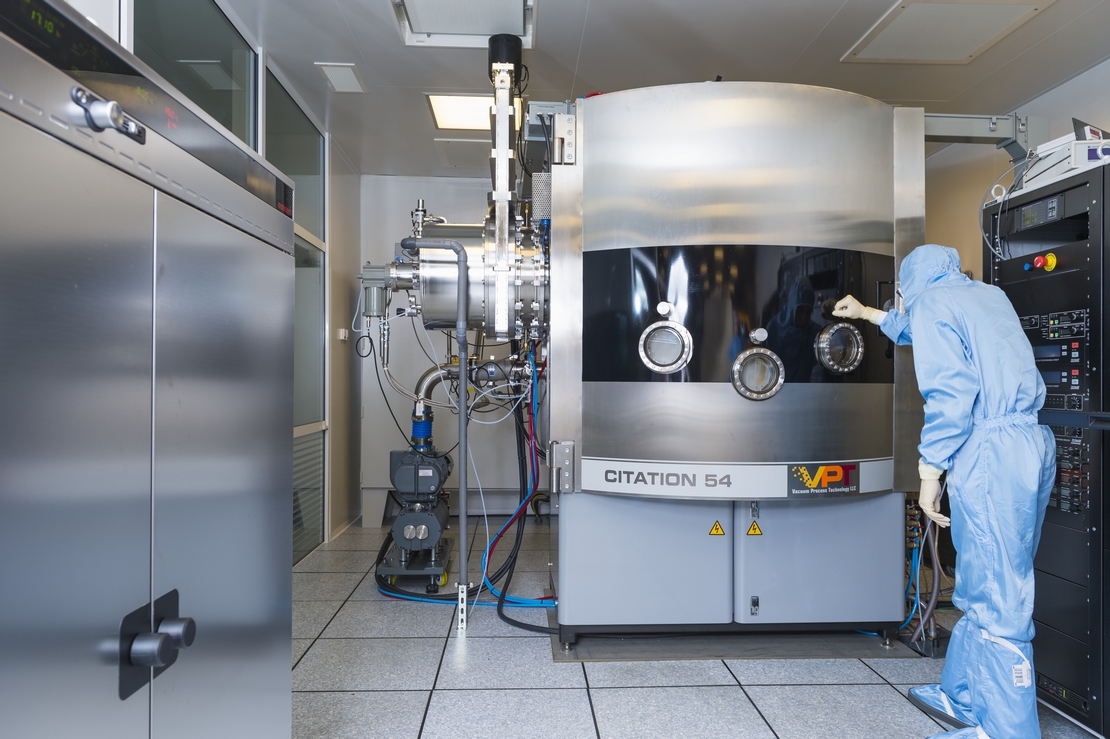
- Ion Beam-Assisted Evaporation (IAD) system (VPTECH Citation 54″) installed in an ISO 5 cleanroom – (c) Cyril Fresillon Photothèque CNRS
Optical and Mechanical Characterizations
- Absorption benches PDS (Photothermal Deflection System) at 1064 nm, 1,5µm – Mapping possible up to 300 mm in diameter – Surface and volume measurements
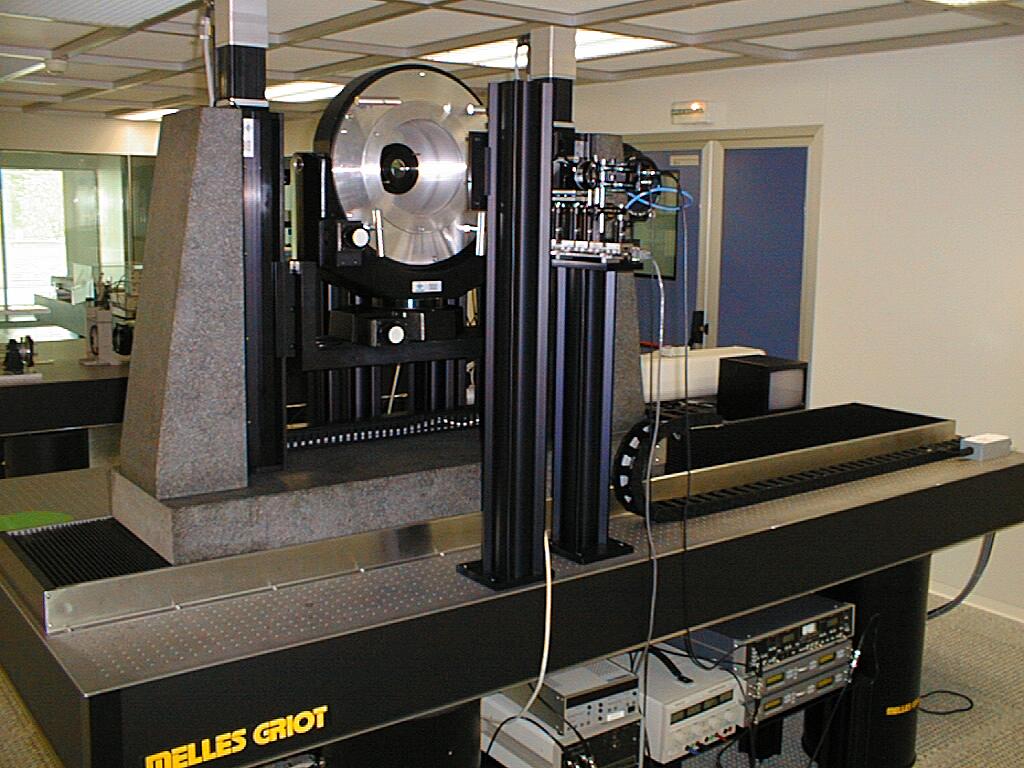
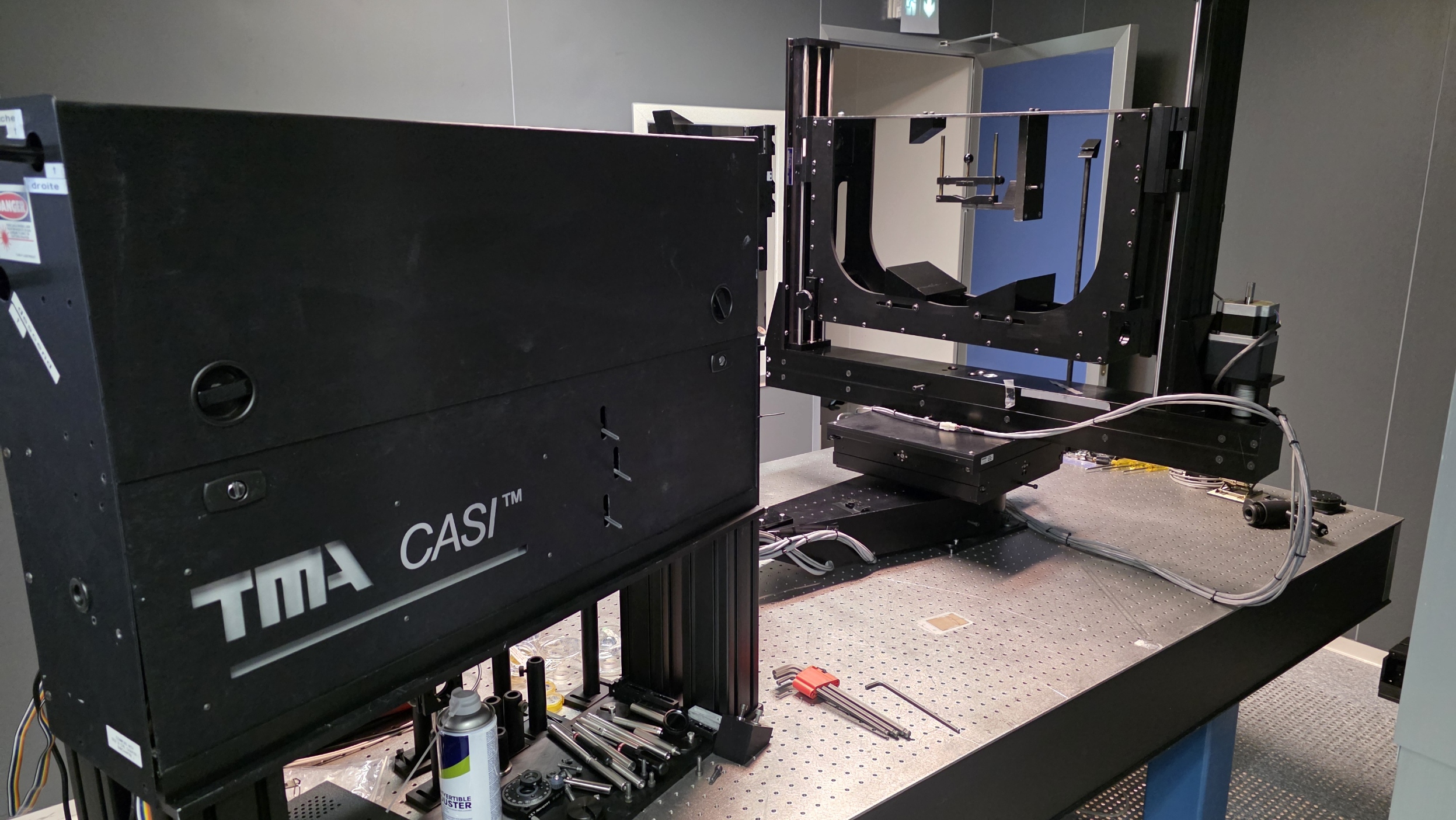
- Scatterometer CASI (ScatterWorks, ex TMA) at 633 nm, 1064 nm – Abe to map areas with a diameter of 40 cm; samples up to 60 kg
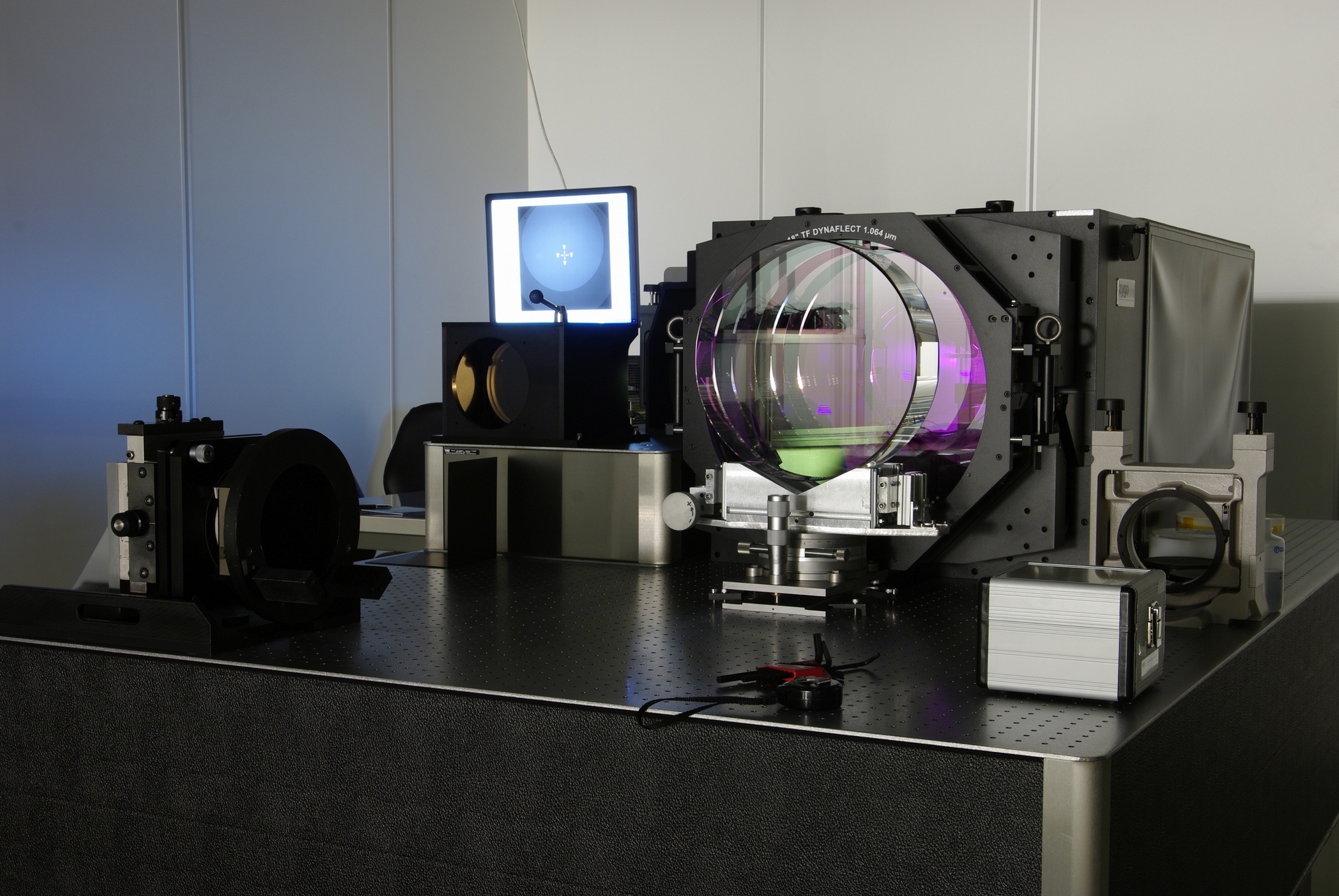
- ZYGO VERIFIRE interferometer using the wavelength-shifting technique coupled with an 18-inch beam expander (1064 nm), 450 mm pupil diameter, flatness measurement lower than 0.5 nm RMS
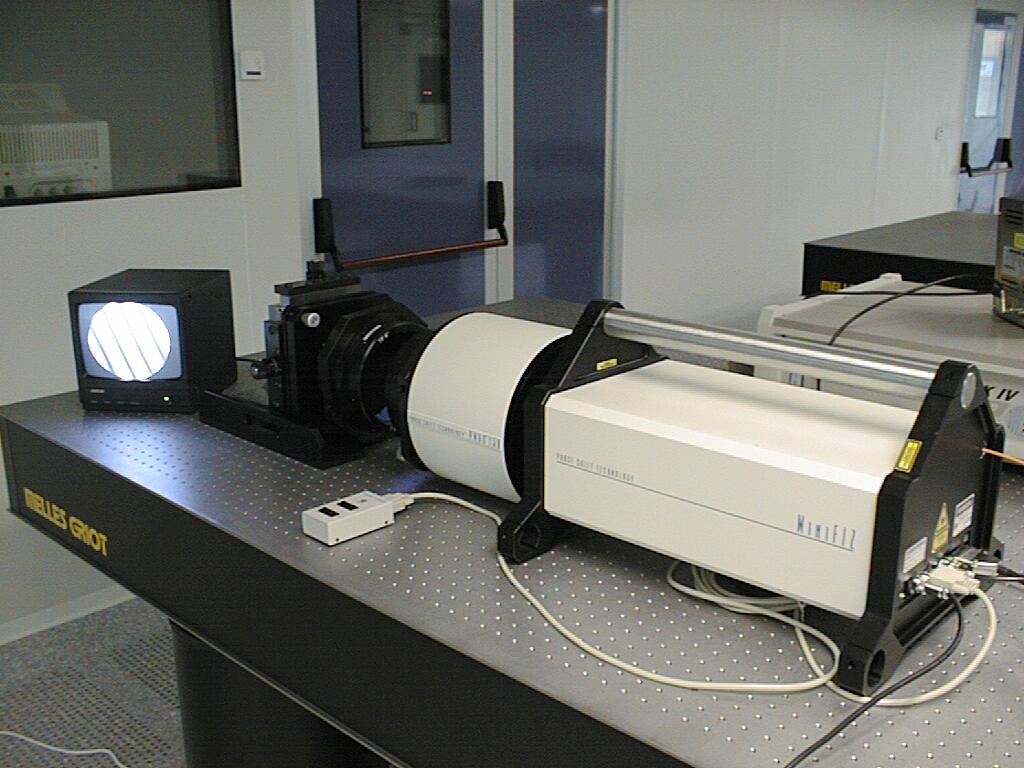
- MINIFIZ Phase Shift Interferometer (1064 nm), 150 mm diameter model, software and hardware update with the APRE solution in 2025
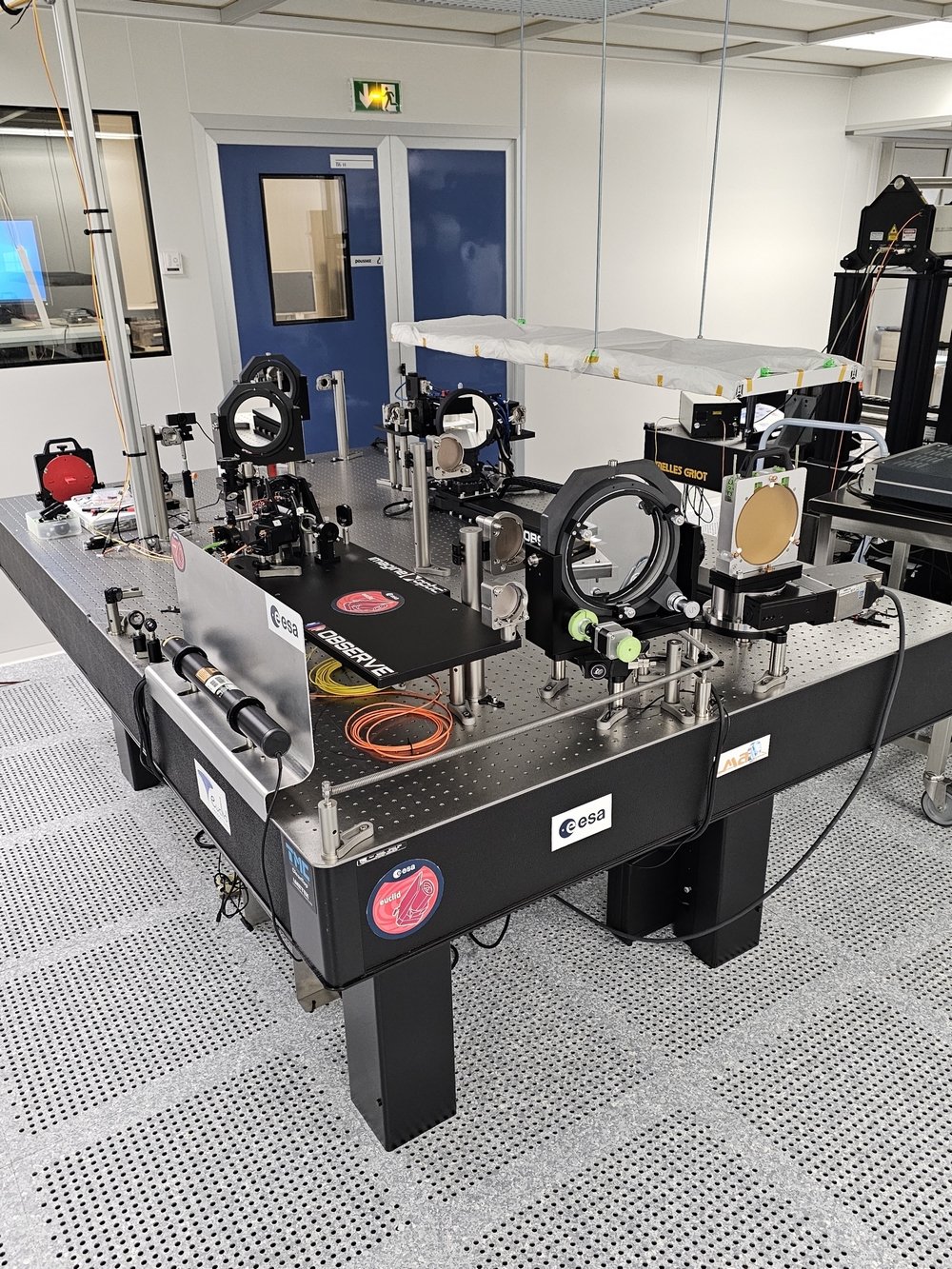
- OBSERVE (ESA) test bench for measuring the wavefront error of mirrors at wavelengths ranging from 510 to 950 nm, with variable incidence and variable polarization—a test bench developed by IMAGINE OPTIC, funded by ESA, and installed in the LMA ISO3 cleanroom (the test bench was developed to measure the dichroic filter of the EUCLID satellite)
- PERKIN-ELMER Lambda 1050 UV-Vis-Near-IR Spectrophotometer (3200–200 nm), equipped with three detectors; URA accessory (absolute reflectance measurement) available
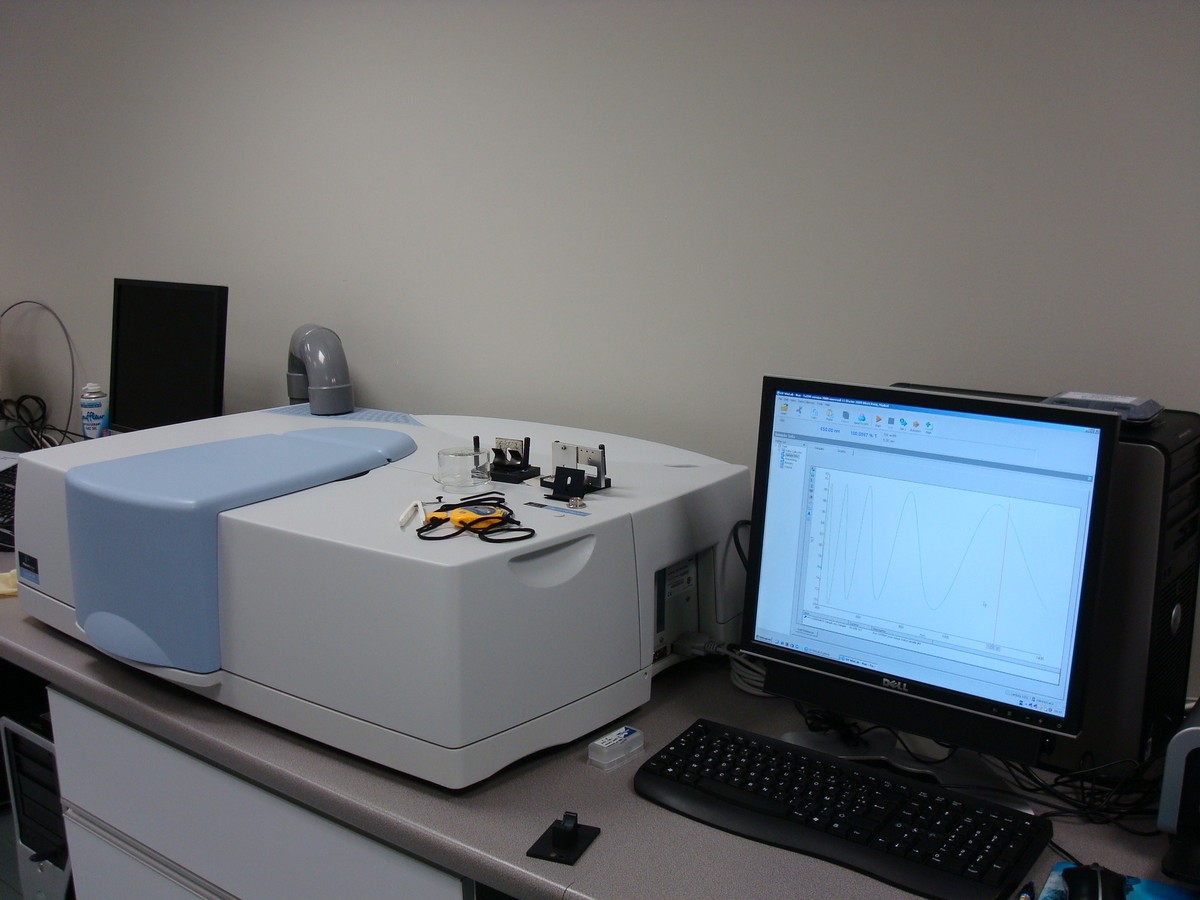
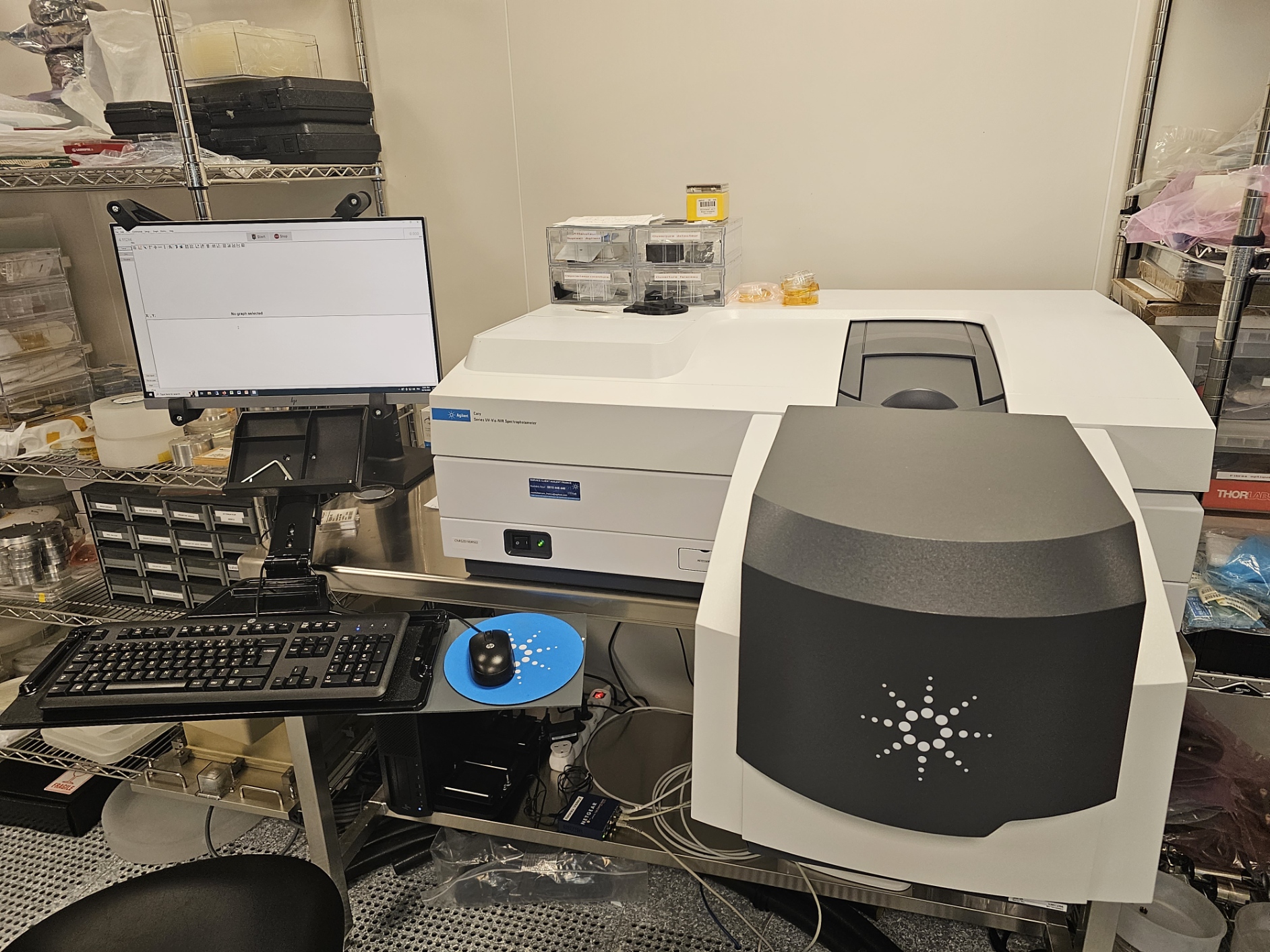
- Spectrophotometer UV-Visible-Proche IR CARY 7000 Universal Measurement Spectrophotometer (UMS) AGILENT (3300-175 nm)
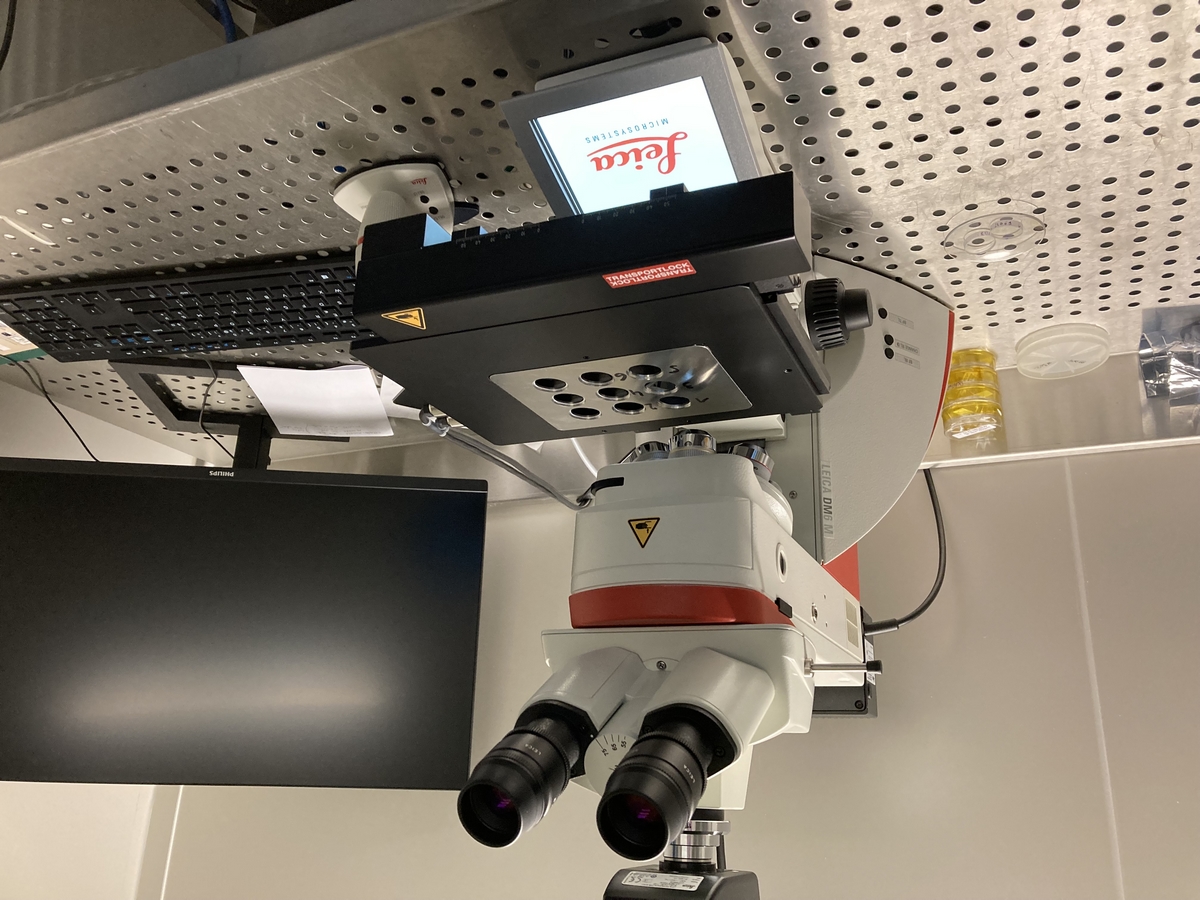
- Leica DM6/M optical microscope, capable of measuring defects down to 5 µm in size, with automatic surface scanning.
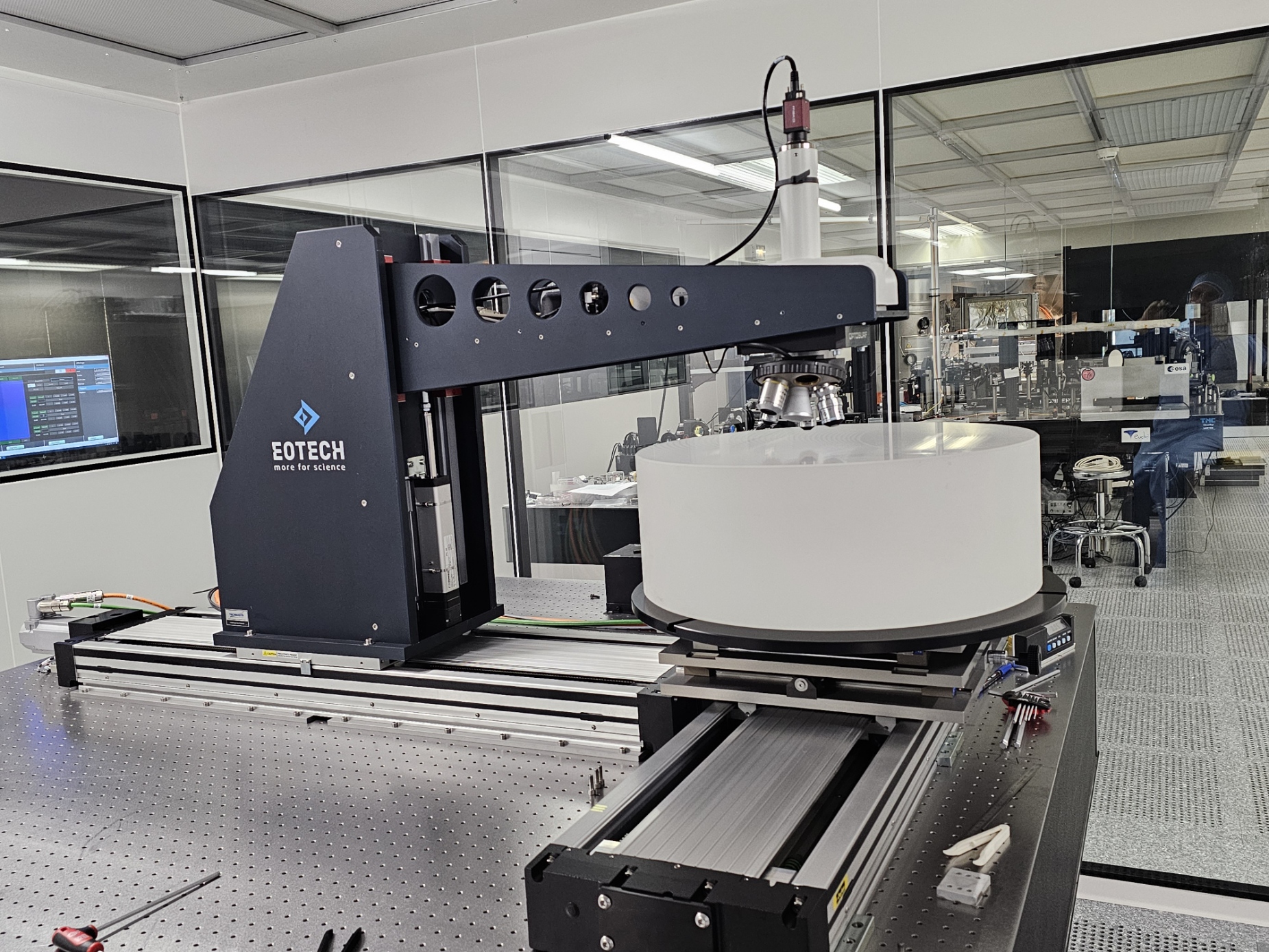
- EOTECH optical profilometer, measurement of micro-roughness and mapping of defects over an area of 500 × 500 mm
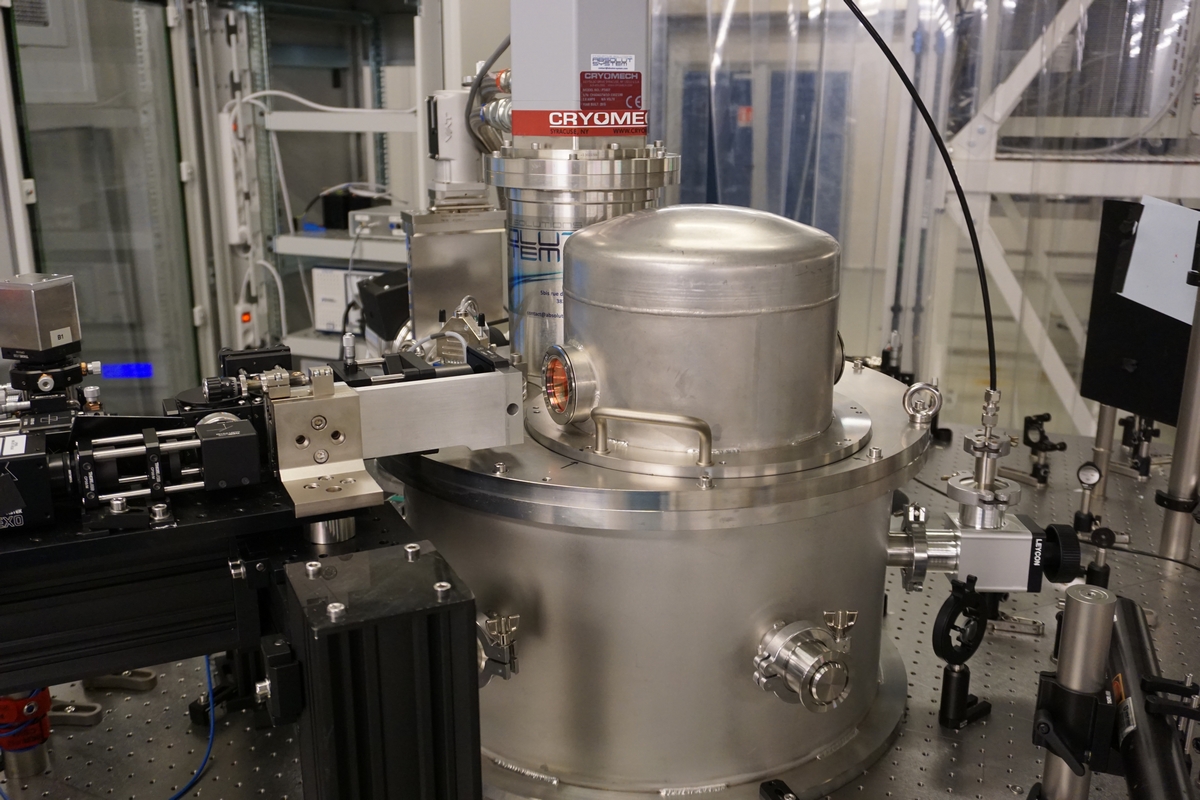
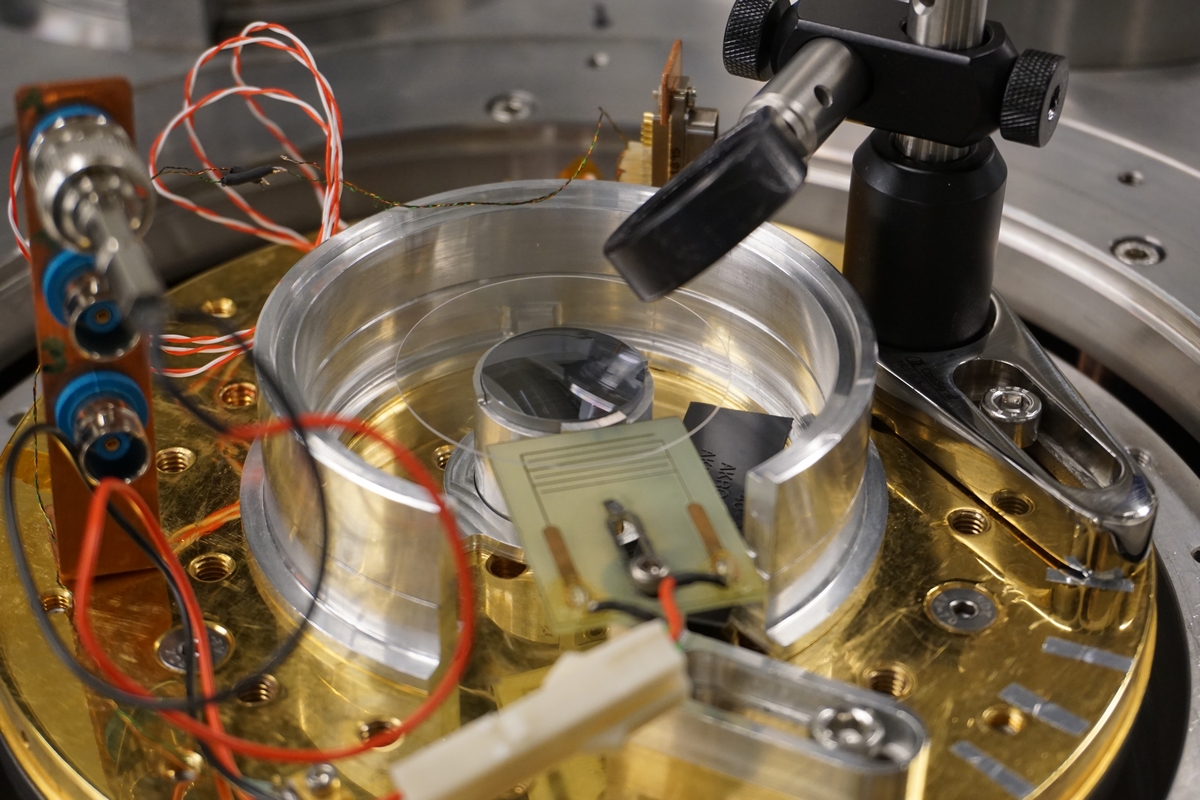
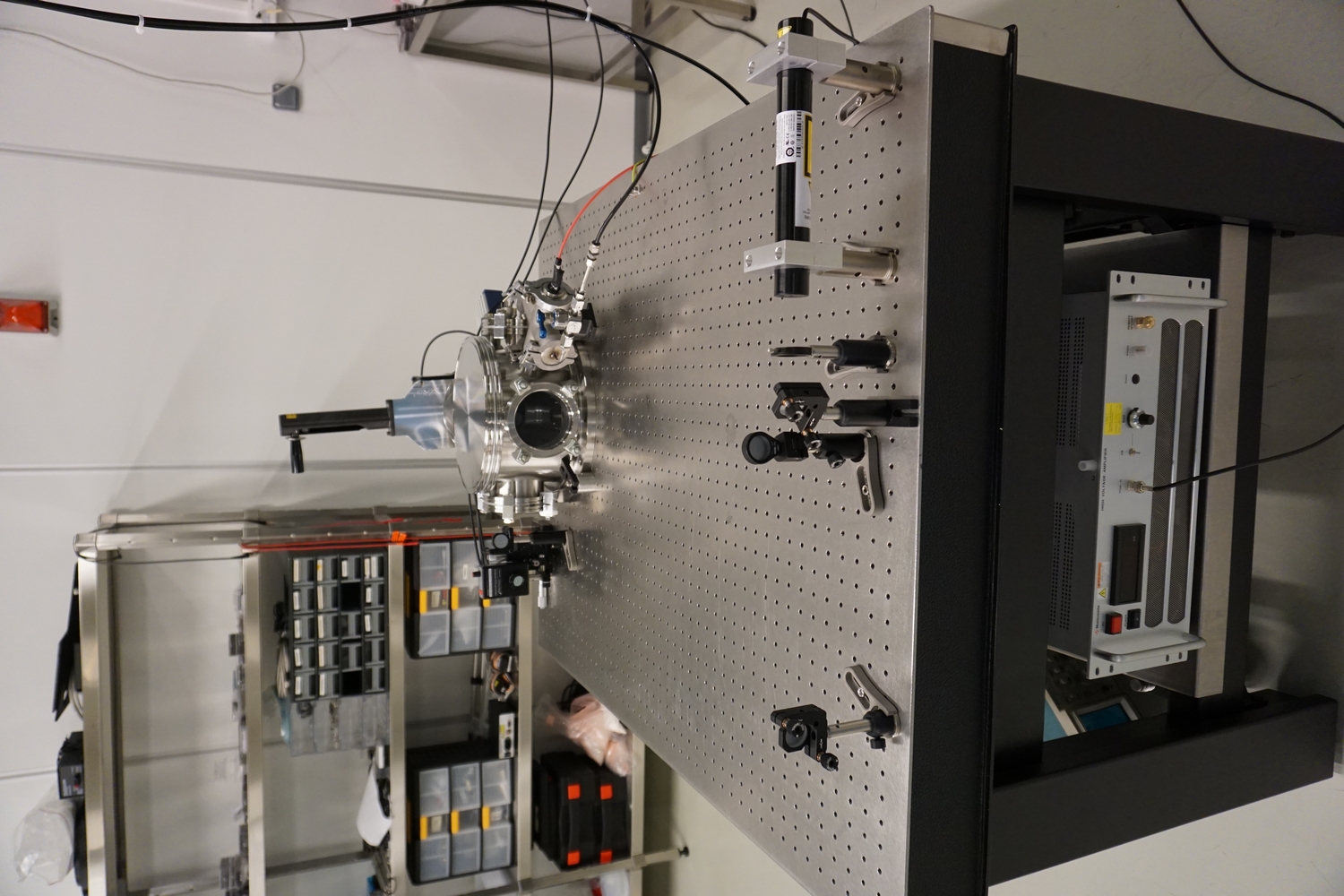
- Three test benches for measuring the mechanical quality factor Q (mechanical loss angle) based on the GeNS (Gentle Nodal Suspension) technique, with measurements taken at ambient and cryogenic temperatures
- Thin-film simulation programme (calculations and optimisations for all types of stacks using OTF Studio)
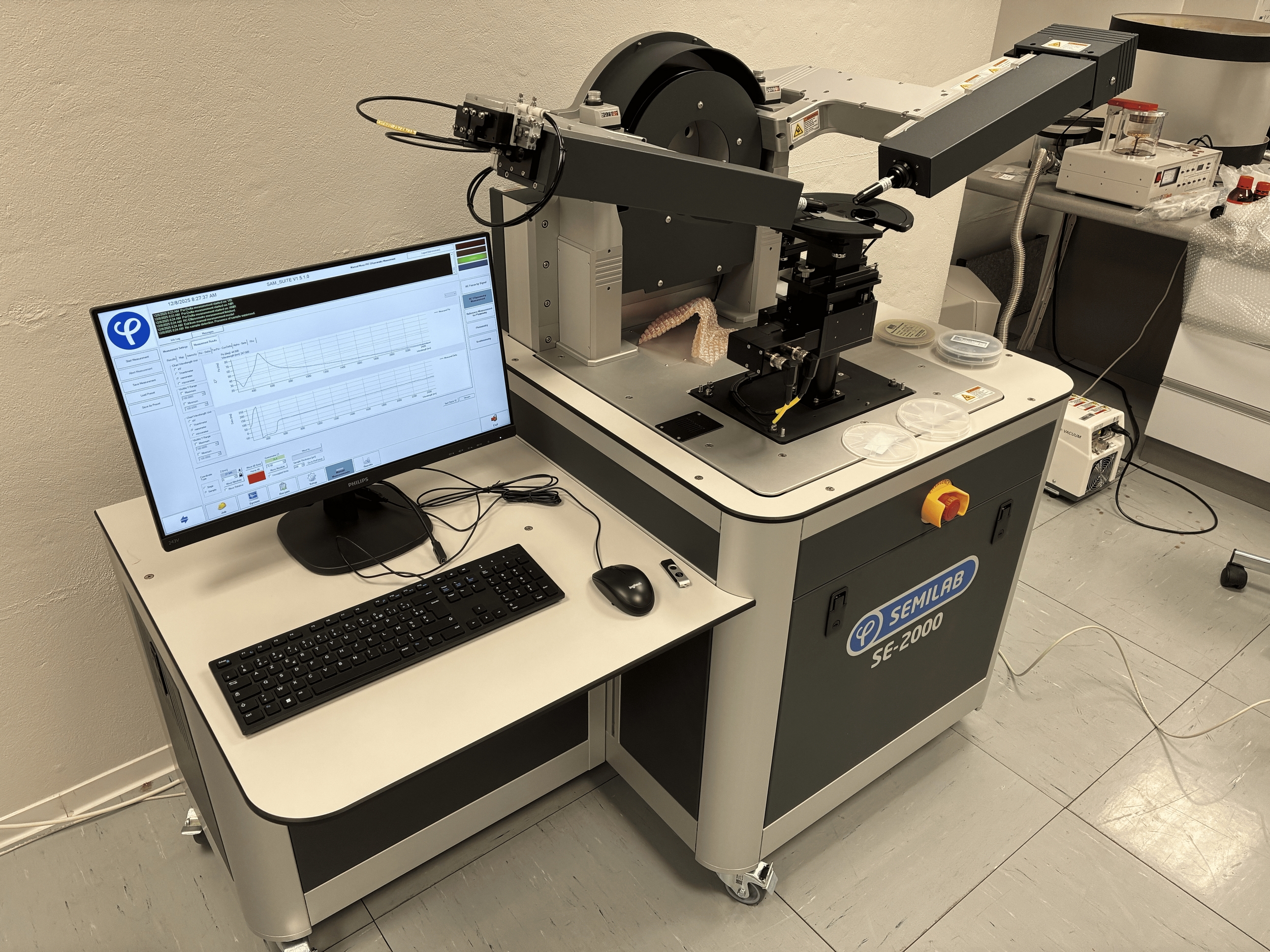
- SEMILAB SE-2000 spectroscopic ellipsometer, covering the 245–2500 nm range; determination of the 16 elements of the Mueller matrix from 190 to 1700 nm; measurement microspot: 365 × 470 µm at an incidence angle of 75°
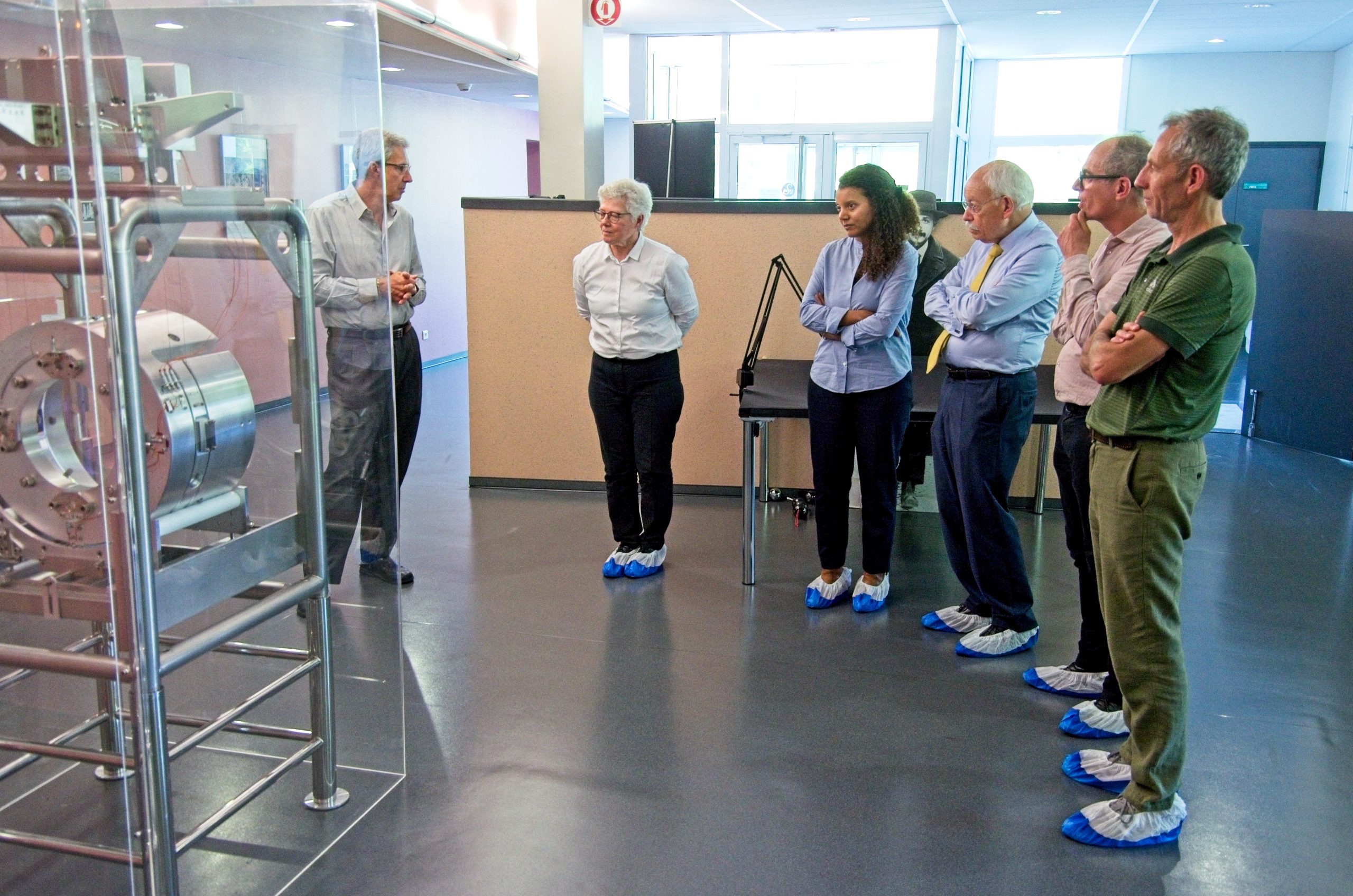
We were delighted and honoured to welcome Anne L’HUILLIER, winner of the 2023 Nobel Prize in Physics, for a detailed tour of the LMA’s facilities.
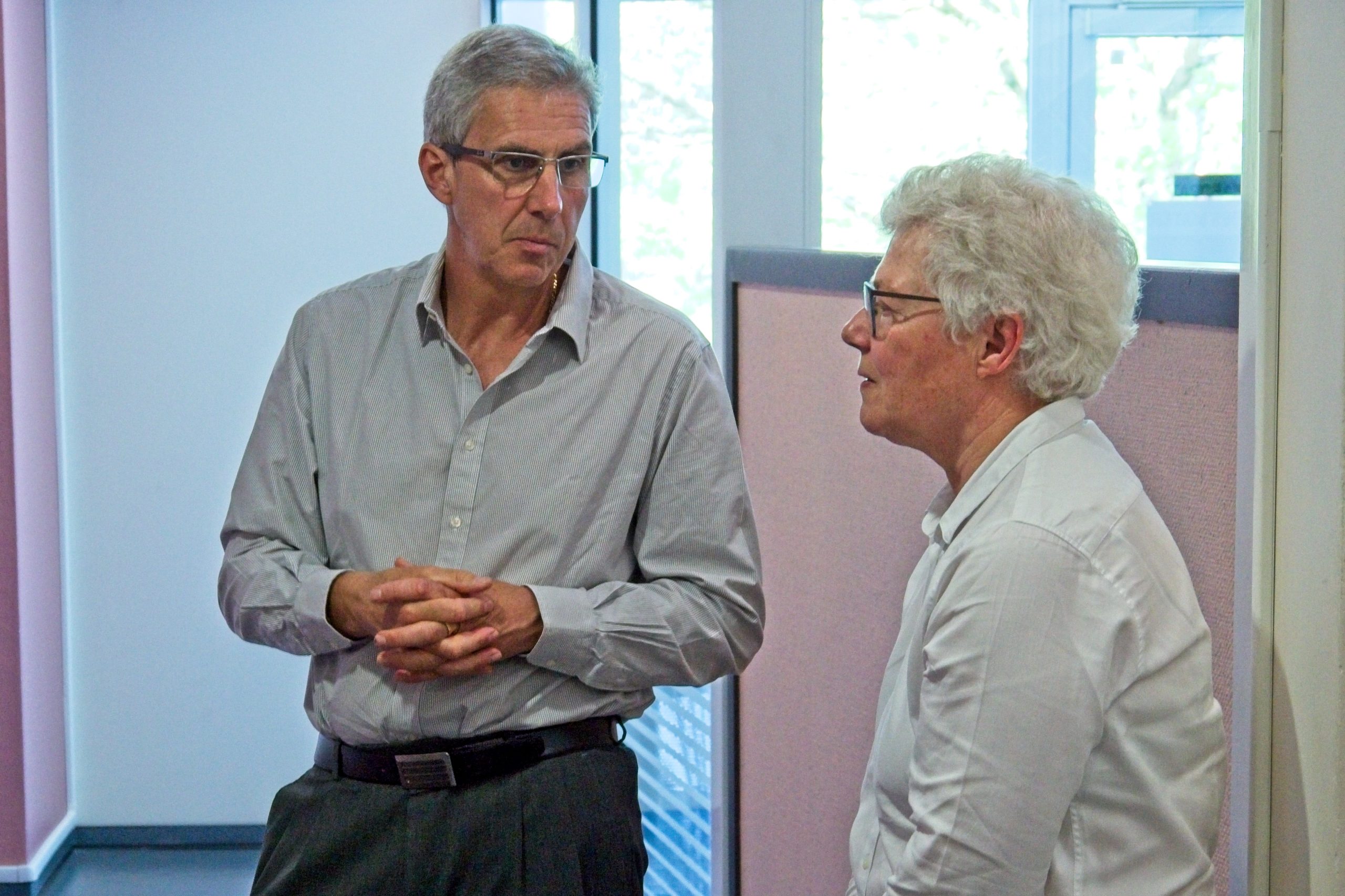
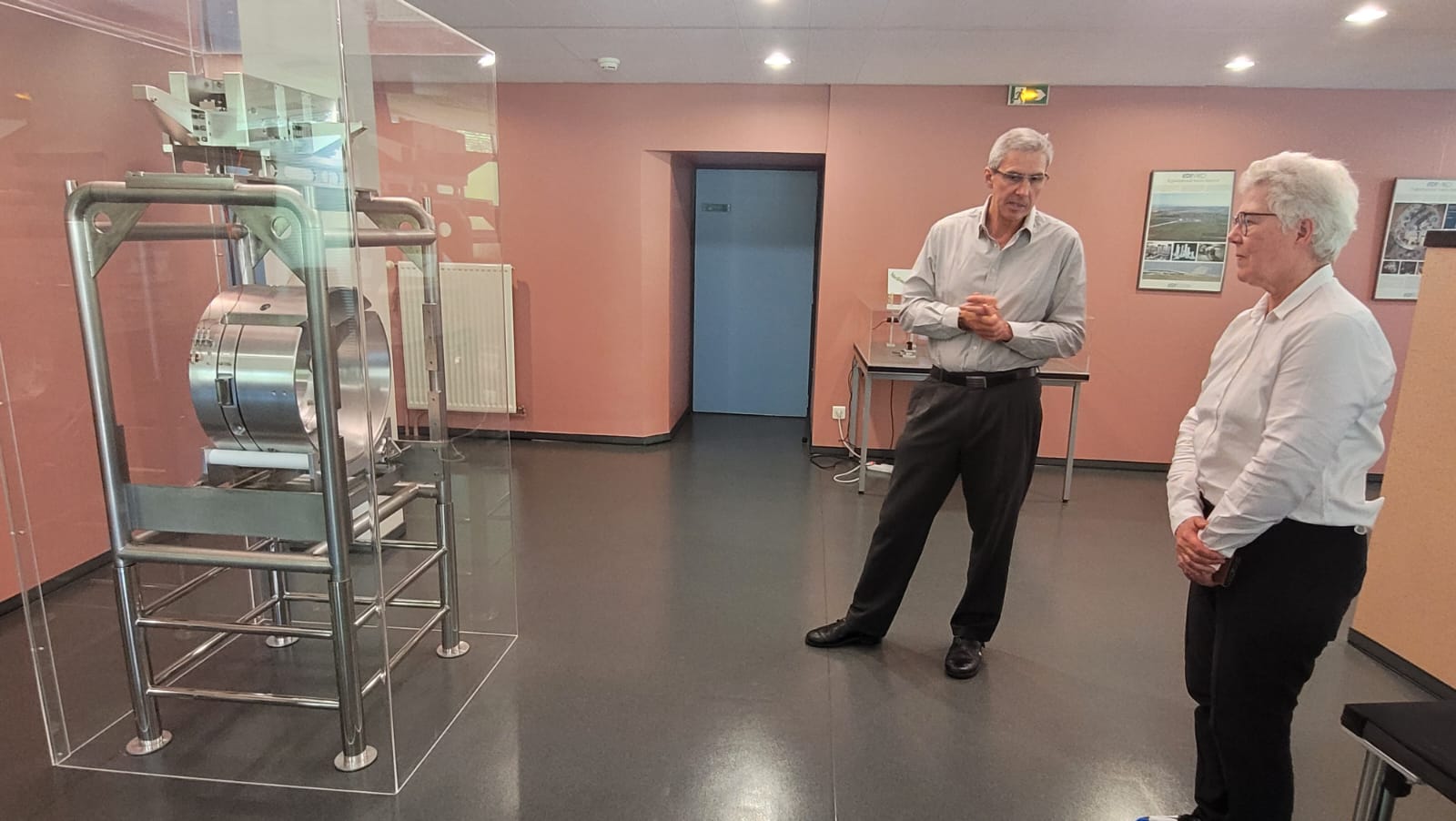
MICADO enters the production phase
MICADO, the first-light instrument for ESO’s Extremely Large Telescope (ELT), is nearing the end of its design phase, and the partners in the MICADO consortium have begun manufacturing the instrument’s various sub-systems. More informations HERE. LMA will produce the 300 mm diameter CaF2 dichroic plate for the MICADO project.
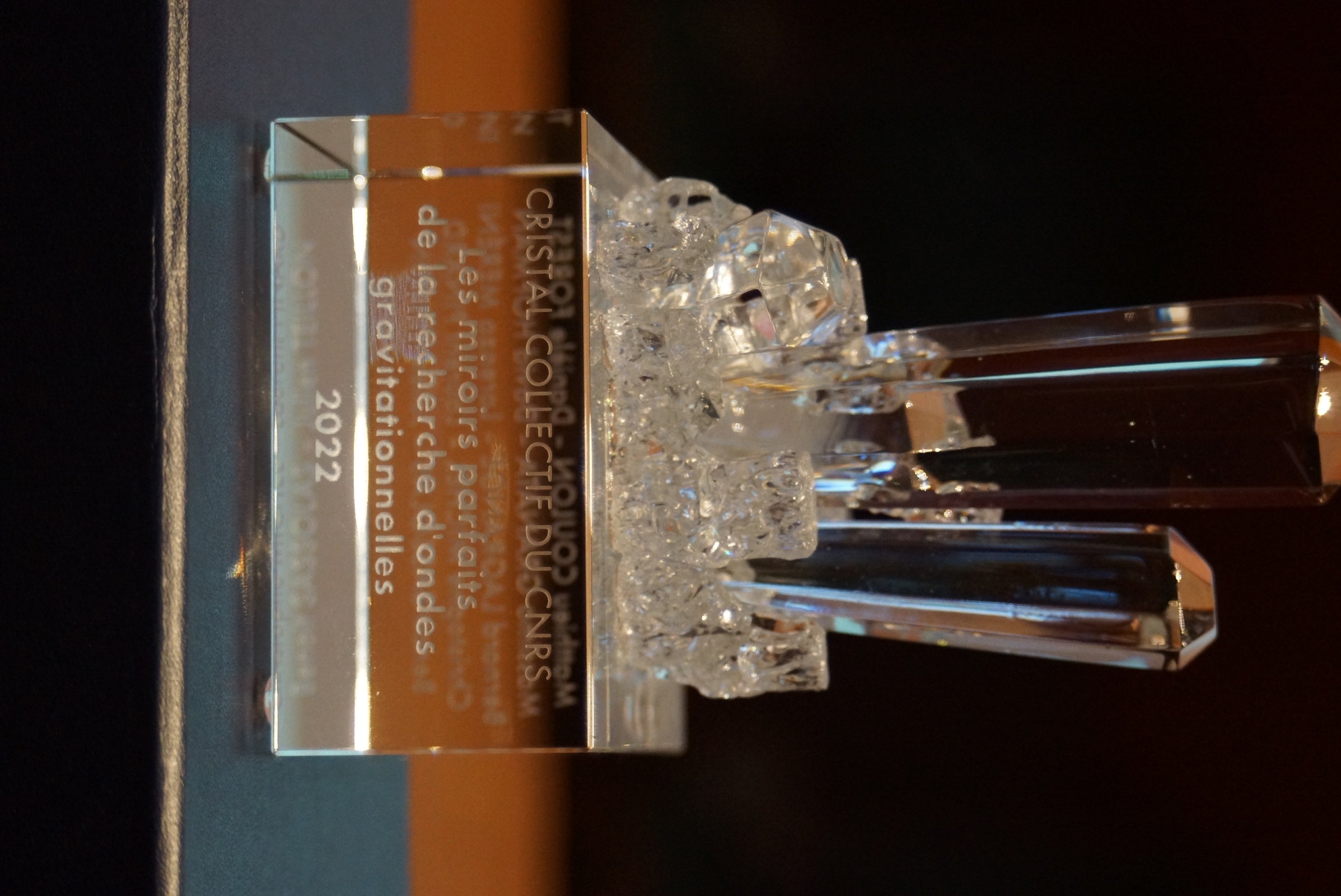
LMA staff were awarded the Cristal Collectif du CNRS 2022 : (link).
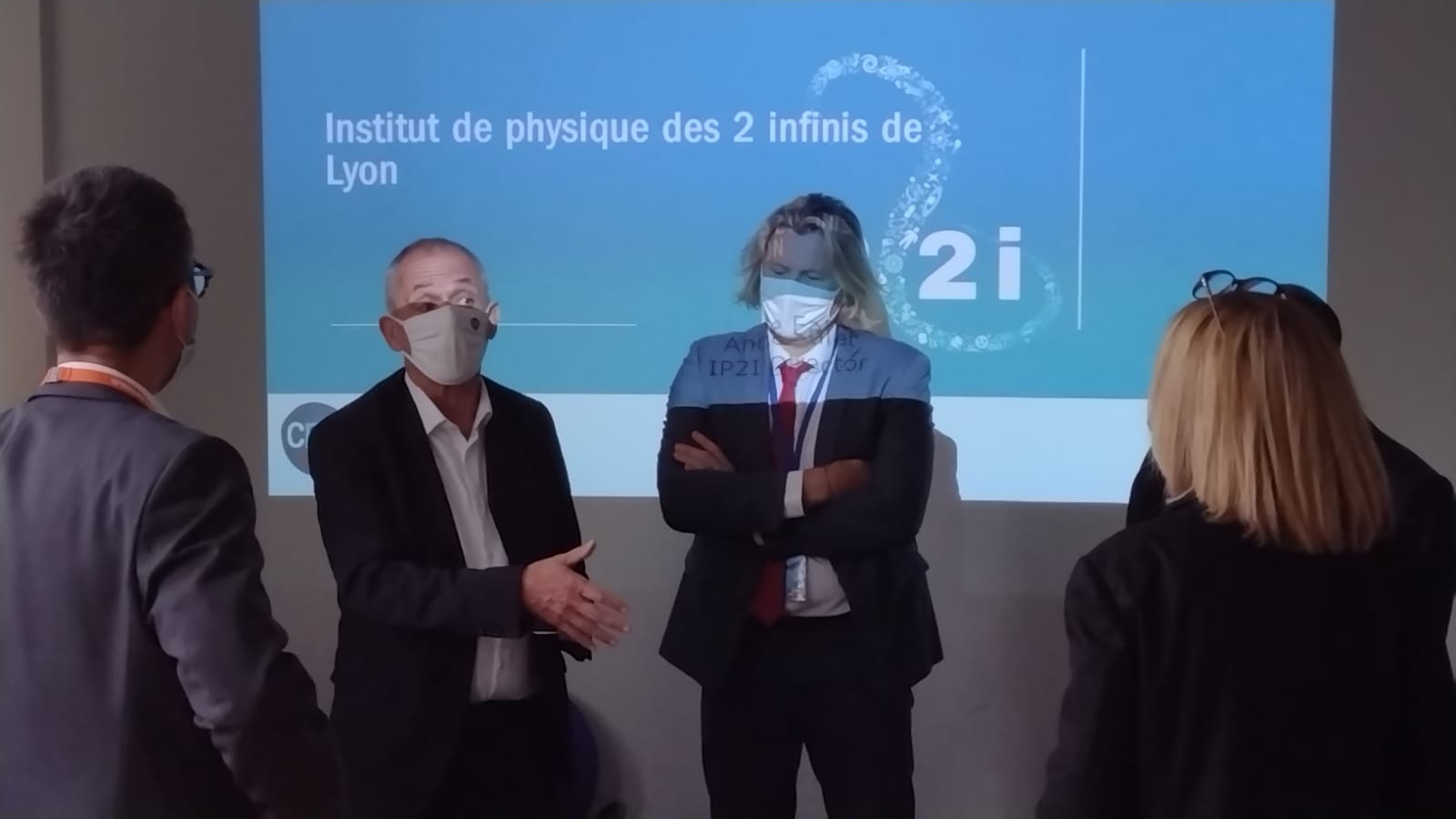
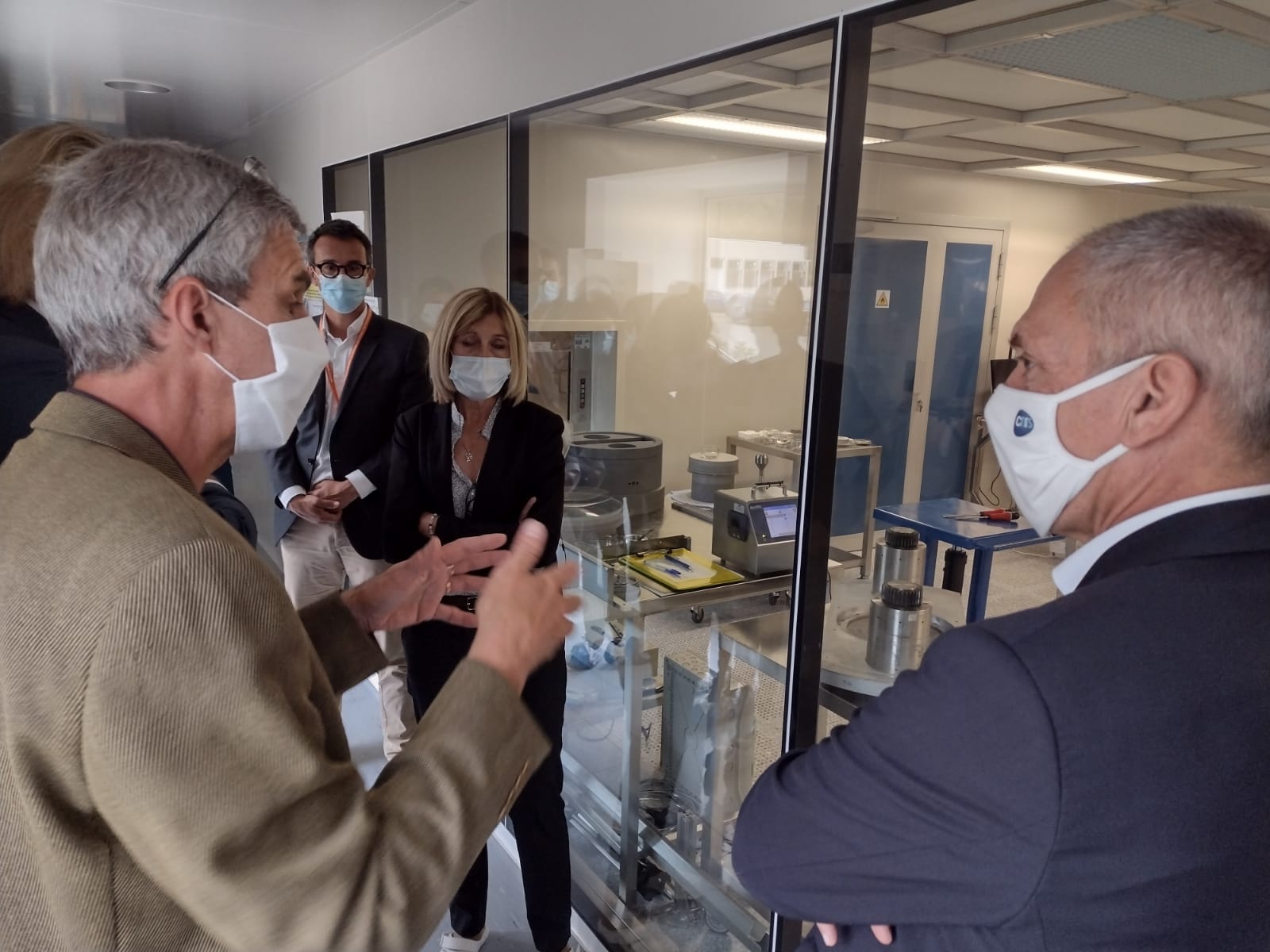
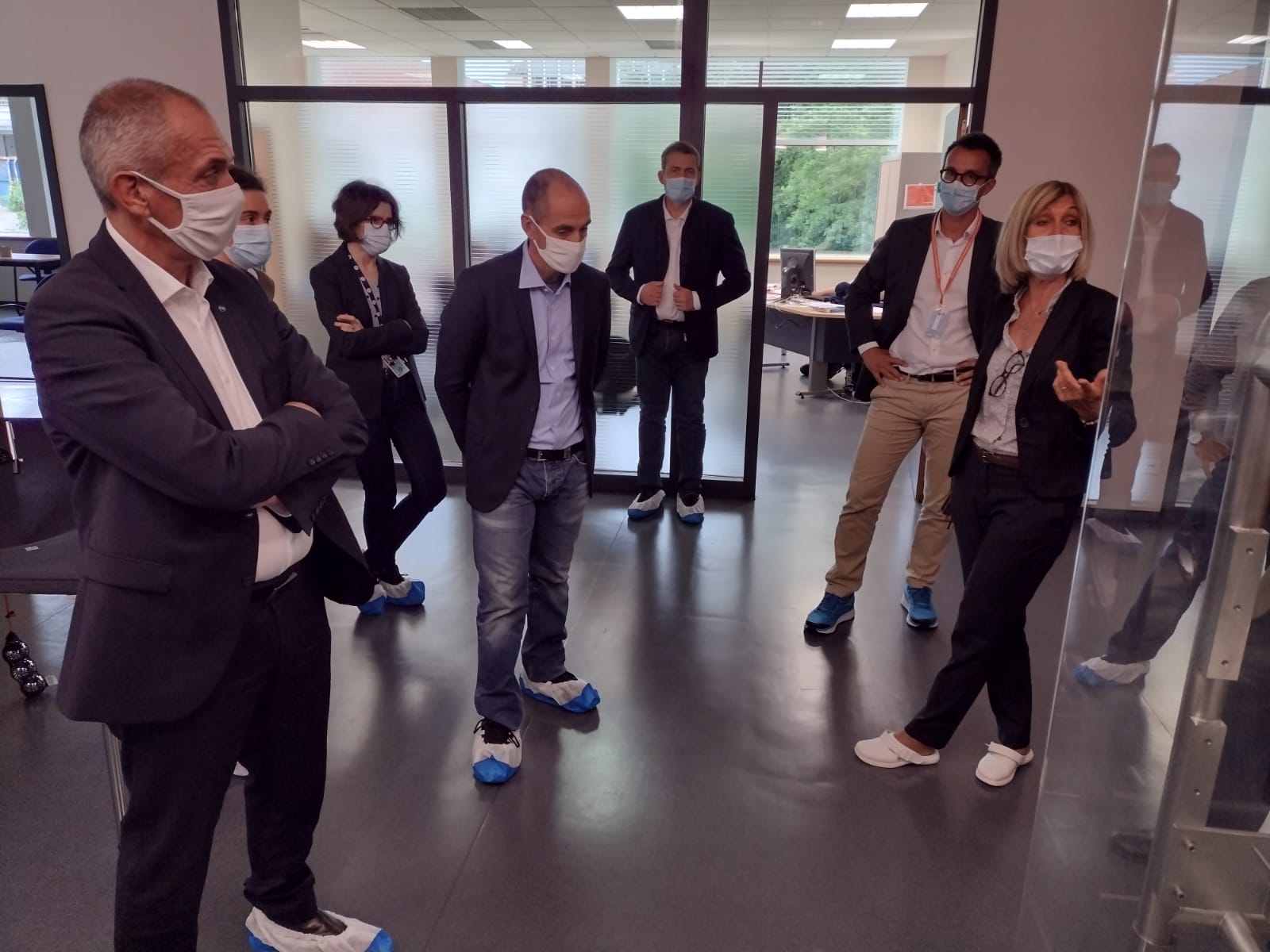
During his visit to Lyon on 21 May 2021, Antoine PETIT, President and CEO of the CNRS, visited LMA, accompanied by regional delegate Laurent Barbieri. The visit provided an opportunity for fruitful discussions on 2-infinity physics and local projects at LMA and IP2I.
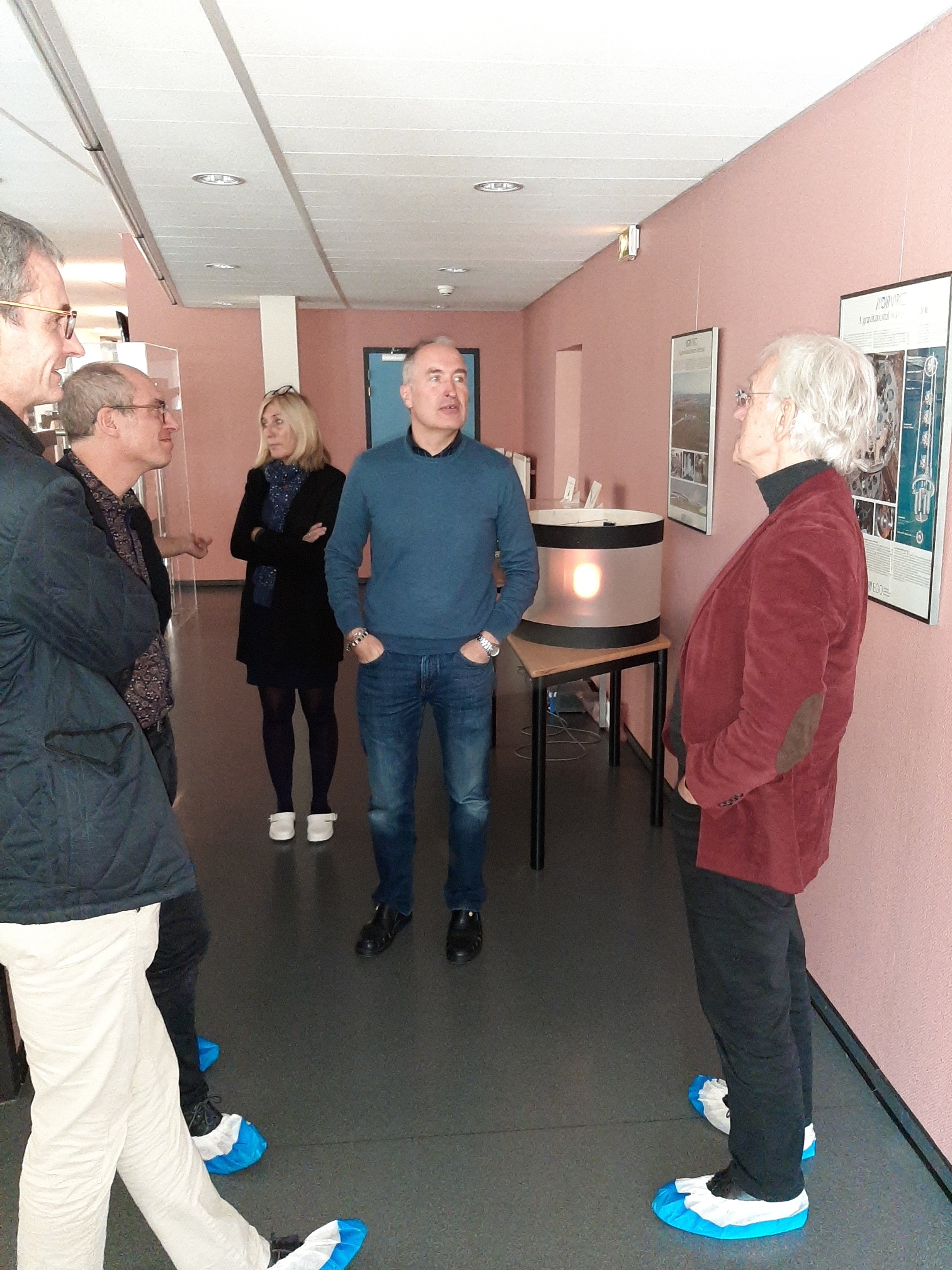
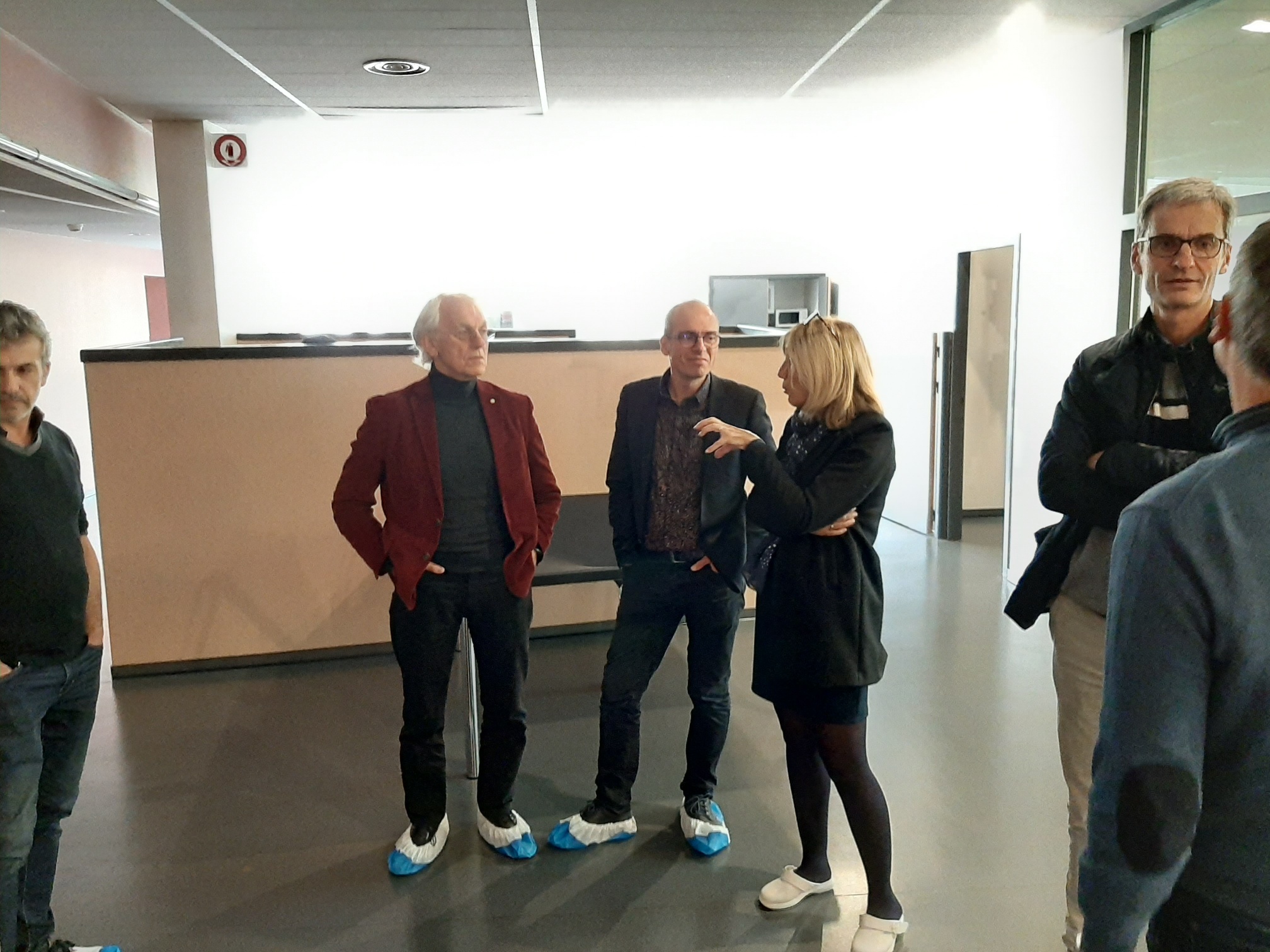
The 2018 Nobel Prize in Physics Gérard MOUROU came to visit LMA on 6 November 2019.
Laurent PINARD was awarded the 2018 CNRS Crystal Medal(LINK)
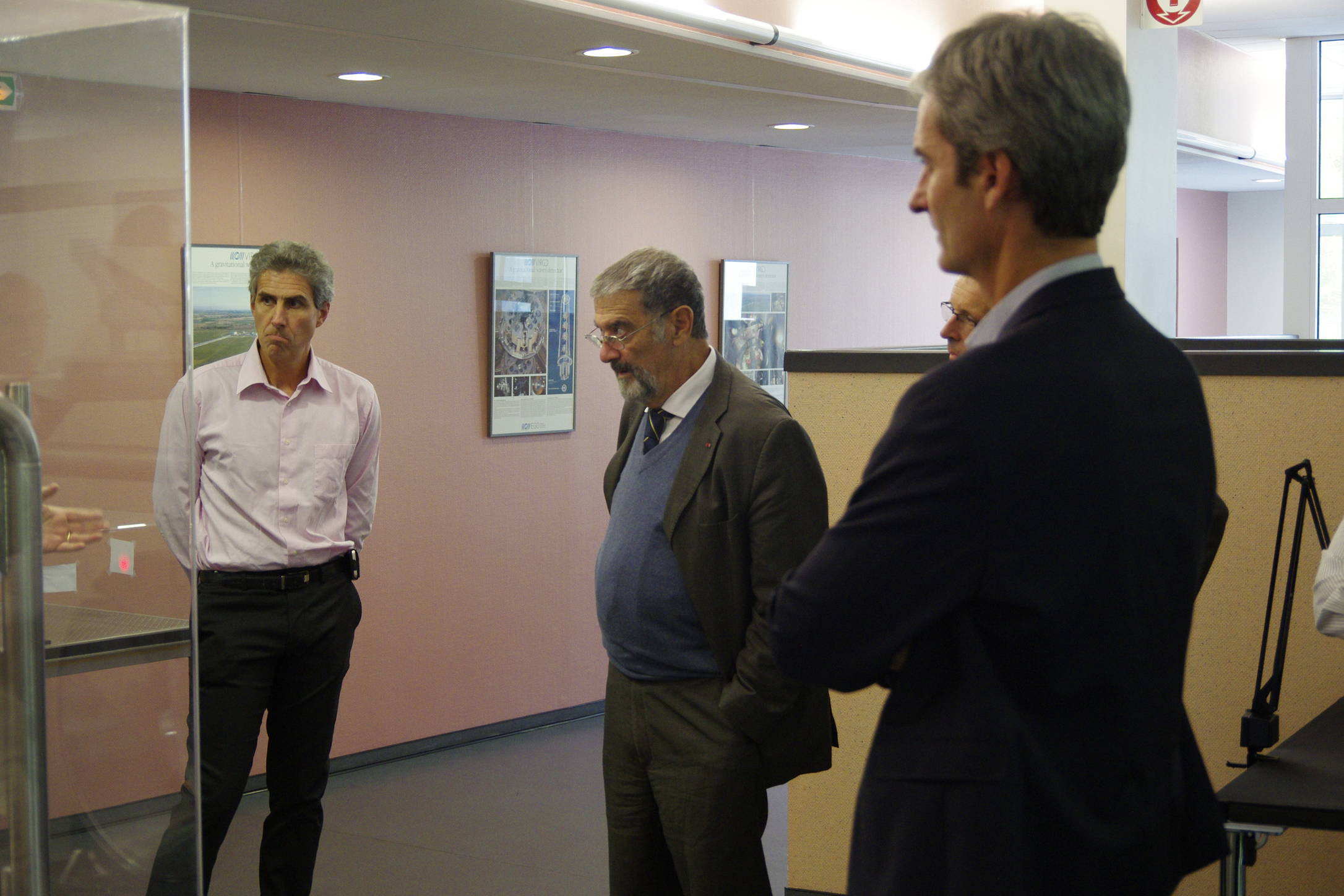
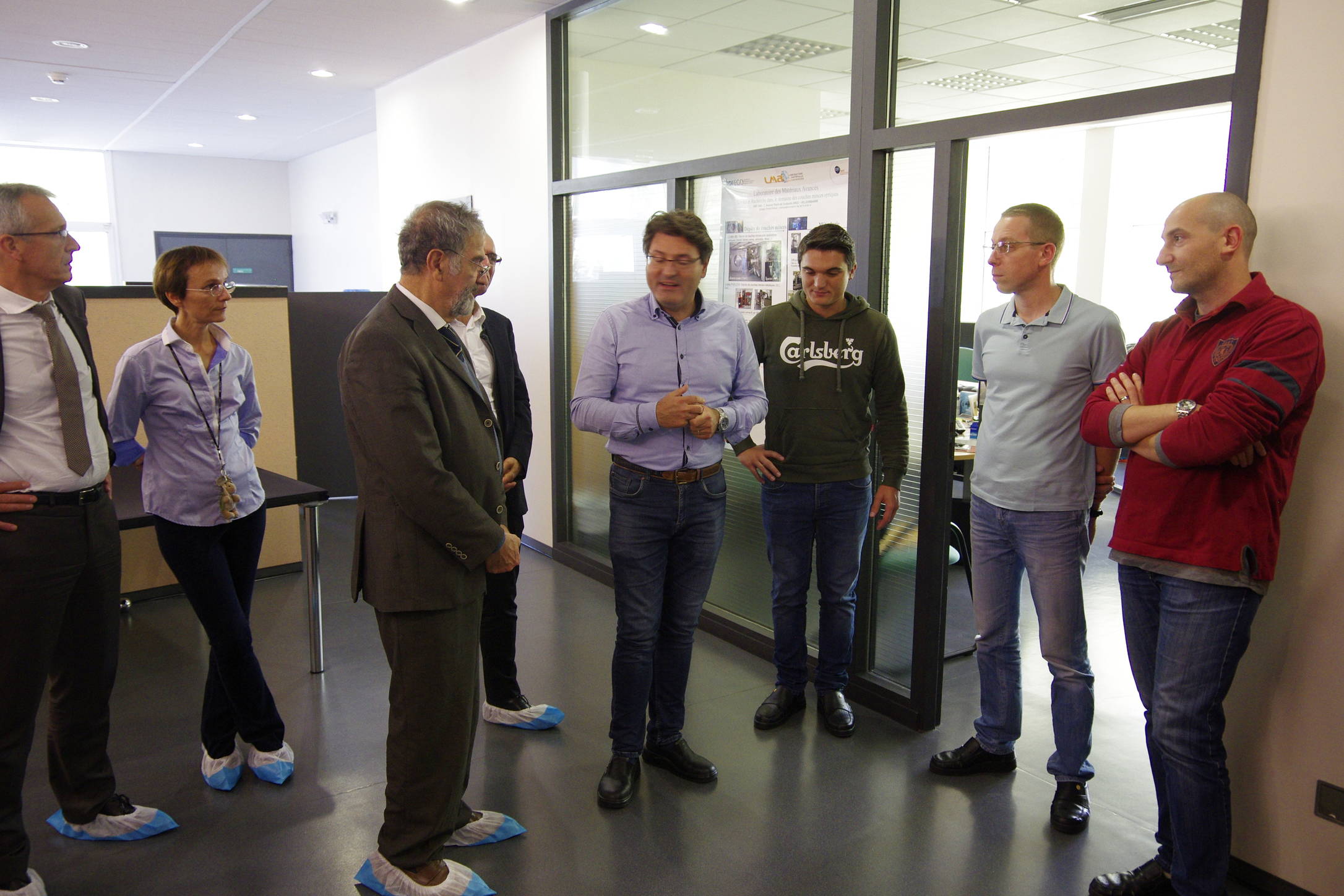
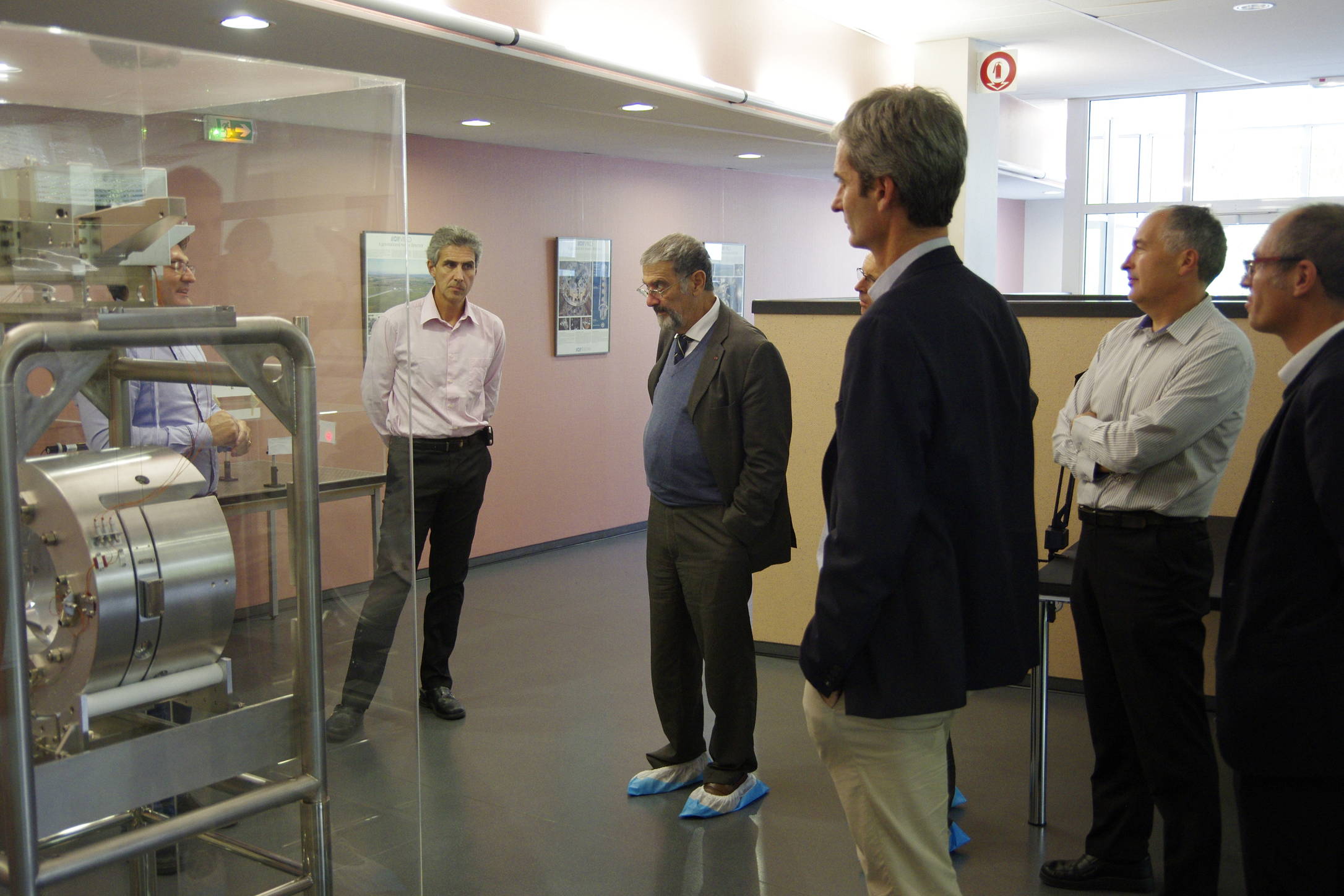
The 2012 Nobel Prize in Physics Serge HAROCHE came to visit LMA on 4 October 2017.
The Americans Rainer Weiss, Barry C. Barish and Kip S. Thorne, behind the American LIGO detector, have been awarded the 2017 Nobel Prize in Physics for the direct detection of gravitational waves. For more information:NOBEL 03/10/2017)
LMA optics “Picture of the Month” at the KIS Institute:
Two ultra-high-performance optics produced at LMA for the first Fabry-Pérot standard of the VTF (Visible Tunable Filter) instrument have made the headlines on the website of the KIS Institute in Freiburg (Germany).
Major achievement
First large-scale dichroic mirror (400*350 mm) produced for the PFS (Prime Focus Spectrograph) project, which will be installed on the SUBARU telescope in Hawaii.
DETECTION OF GRAVITATIONAL WAVES
- Third detection of gravitational waves June 2017: confirmation of the existence of a new population of black holes. For more information, read article
- Video “Les meilleurs miroirs du monde sont français” January 2017 video
- “Breakthrough Price in Fundamental Physics” awarded to ten LMA members who co-authored the article in Physical Review Letters announcing the 1st discovery of gravitational waves.
- On 11 February 2016, the LIGO-VIRGO community announced at a simultaneous press conference in Washington (USA) and Cascina (Italy site of Advanced Virgo) the FIRST DIRECT DETECTION of gravitational waves on the two Advanced LIGO interferometers as well as the first observation of the merger of a black hole binary. This major discovery takes place 100 years after the prediction of gravitational waves by A. EINSTEIN and inaugurates a new era for astronomy. More details are available in the publication accepted by Physical Review Letters.
LMA made a major contribution to this discovery by producing the large Fabry-Pérot cavity mirrors (diameter 34 cm, thickness 20 cm, 40 kg) for the two Advanced LIGO interferometers. These are undoubtedly the most critical optics in the interferometer, with specifications at the technological limit. This achievement was the culmination of nearly 5 years’ work at the LMA.
The announcement of a second detection of a gravitational wave generated by the coalescence of two black holes (signal detected on 26 December 2015) was publicly announced. A publication has also appeared in Physical Review Letters (Physical Review Letters 116.241103, 15 June 2016).
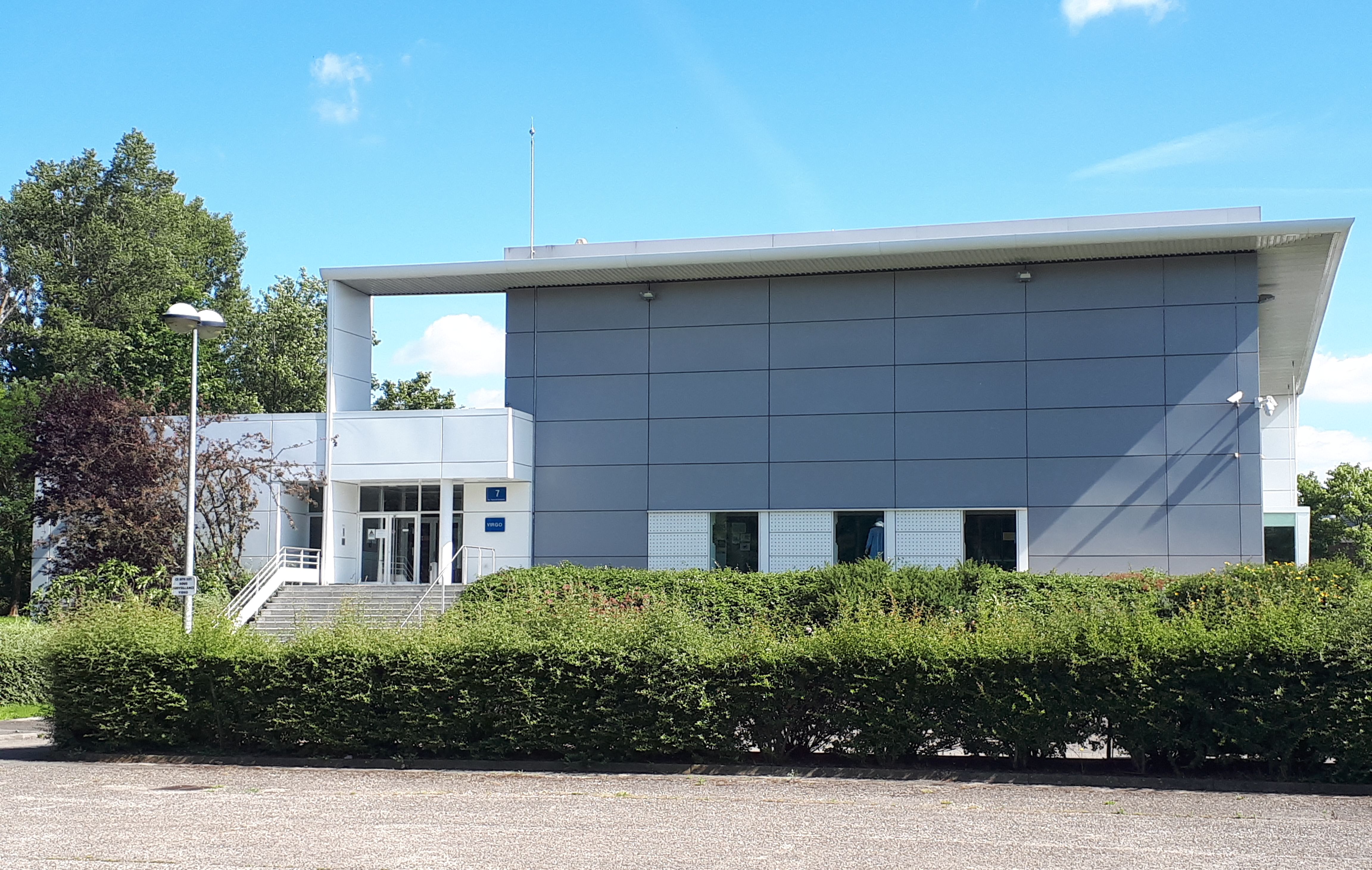
Laboratoire des Matériaux Avancés
Université Claude Bernard Lyon I
Campus de la DOUA
Bâtiment Virgo
7, Avenue Pierre de Coubertin
69622 – VILLEURBANNE Cedex FRANCE
Téléphone : +33 4-72-43-26-68
GPS coordinates : 45.78362528863942, 4.865364909679352
For all enquiries and services: contactlma@lma.in2p3.fr